I hear you – you don’t (all) love playing scales.
One of the reasons people don’t like to play scales is that they are “boring”.
Boooorrrrriiiiiinnnnnnngggggggg
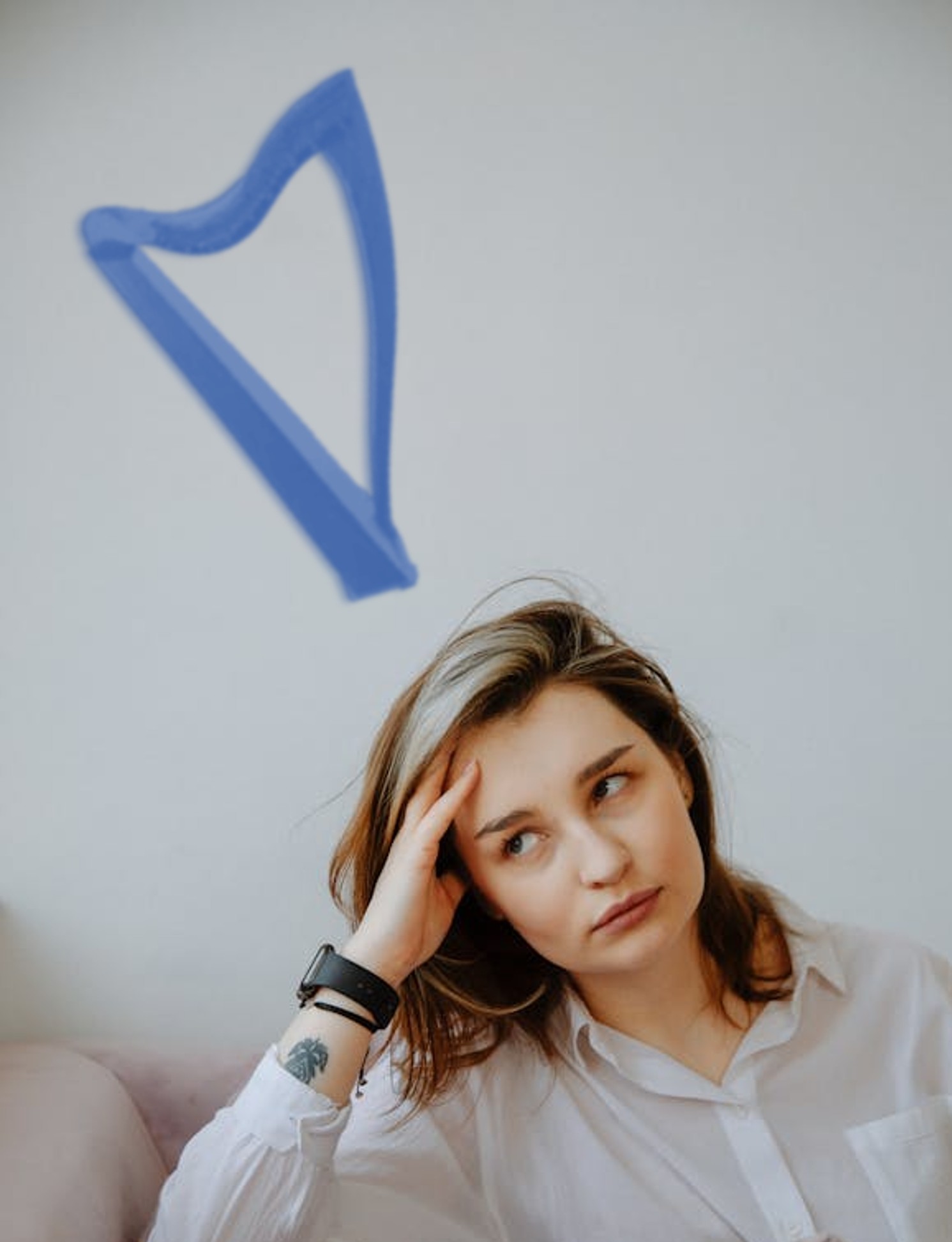
Here’s the problem with that thinking – boring is not a bad thing!
Wait, what?
It’s true – boring has some important positive qualities, all of which can make playing easier and better!
What are these qualities? Let’s take a look – they come in two flavors – one cognitive, the other creative.
The first of these – cognitive – means that you do not need to apply your full attention when playing your scales. When you have played something long enough, you have learned (something) about it. It feels like playing is getting easier (we’ve used this metric before!). Eventually it will be so easy you might think it is “boring”. But being bored is a really just a feeling of tedium, not an indication of thinking of the elements of playing. When tedium sets in, you actually have learned enough that your brain is looking for a new challenge. That means you have spare capacity to do or learn more. That’s why we have more complicated versions of each scale as well as other scale related exercises. This is definitely something to pursue. And it can go on forever – because once one thing is easy, there is room for expansion and adding to your effort. Once it’s easy, there’s no end to the things you can do to make your scales more interesting!
The second flavor is creative. When you have achieved an ease of play as mentioned above, you can use that foundation for creative exploration! Being bored is a great place to start when you want to be creative. That same freedom you have from being bored will allow you to come up with new ways to play your scales. Or you can use those scales to come up with new melodies. You can also use these strong scales to come up with varying harmonies – the possibilities are endless!
So, the next time you are thinking your scales work is boring, instead shift your focus. Develop a take on making them more effortless so you have the spare cognitive capacity to take them farther. Or use them as a launch point for creative exploration. Keep in mind that you can also bring the two together – using your freed capacity to be more mindfully creative.
What do you think? Are you going to go for freed capacity or creativity or both? Let me know in the comments!