Tag: Caring for Yourself

  • Expand your musical reach – another stretch (or 7!)

    We have talked about stretching through making art and stretching our bodies.  There’s another place we need to stretch and that is in our music.  And it’s the perfect time to think about it – it will be the winter holidays and all the lovely opportunities to play will be coming.  I mention the holidays because they are the perfect foil for stretching our music.

    The holidays are great from a repertoire perspective.  There is a relatively small set of tunes to work from and each year, those that have been on our set lists for a while seem to become easier to prepare and to play.  It’s also easier to knuckle under and practice – we know it’s coming; we know we’ll be playing; and we know the bulk of what we’ll bring to each performance.

    That doesn’t exactly sound like stretching.
    And that’s why it’s so great!  There are loads of holiday tunes – so you probably don’t know them all.  But you know some and so each year you can add another one or two to fill in your set list.  But we have to fight the urge to be lazy and just play all the same stuff. 

    I don’t know about you, but I really like hearing new (to me) stuff at the holidays.  From countries whose music I don’t know well, from new sources, and from the set of those songs that hardly anyone records but are just so good. 

    So, the holidays are an opportunity to stretch ourselves – musically.

    What does stretching musically mean? Trying new things!  It can be adding techniques we don’t usually use, playing music we don’t usually play, finding stuff we didn’t know existed and fitting it into our lives, arranging music we like (from other instruments) and playing it on the harp, or more.

    How is stretching musically good for us?  Here are seven unsurprising ways (some of these might sound familiar since they are as with making art)

    1. Stretching is (still) the opposite of static!  Static is not moving or changing.  Static introduces b-o-r-i-n-g into your playing.  It also means that you’re not growing as a musician.  So, learn how to do some effect you think is cool…and actually use it in your playing!  Do the work of technique practice.  And after learning some new technique, actually add it to your playing!
    2. Stretching makes you more flexible.  By adding new music, new sources, new techniques, new practice approaches, just new stuff to your playing, you will begin to explore yourself more and bring that into your playing and performance.  And you will be free to do more than you thought you could when you were less flexible.
    3. Stretching helps defeat stress.  The more you stretch your music, the more comfortable you become with playing it – because you’ll become more accustomed to being stretched.  In your practice, in performance, in ensemble, in sessions – no matter where you’re playing you will be more relaxed, able to enjoy the process and product of making music.  That comfort is an indication of your reduced stress.
    4. Stretching helps overcome pain and discomfort.  You might decide to stretch your music when you feel the discomfort be becoming bored.  Of course, once you decide to stretch your music, you might feel self-conscious, uneducated, or ignorant.  The music activities that stretch you might make you feel uncomfortable in and of themselves.  But keeping at it – a little bit each day – will help you be more comfortable and soon, you’ll be interested in the flexibility of trying new music.  I’d suggest adding time for creativity in your practice each day so you will be able to stretch musically with less (perceived) “stiffness”.
    5. Stretching helps you focus.  You can be mindful when you are stretching your music.  Mindful of what it is about the music that attracts (or repels) you, what technique elements you need to work on, what your harp really shines with.  In addition, a broader repertoire may help you to feel more accomplished and allow you to comfortably book gigs previously out of reach.  Be sure to pay attention as you’re stretching your music to identify what to keep on doing.
    6. Stretching improves your range.  As you add music to your toolbox, and include the listening, reading, technique and effects the new music might require of you, you will become more able to do more things with greater musicality – and add new things more quickly.
    7. Stretching stretches you.  There’s nothing like playing something you never thought you’d be able to (or possibly even that you never thought about adding) to boost your confidence and encourage you to try even more new things!

    Stretching – the gentle kind that broadens your abilities, and leaves you relaxed and enjoying making music, is just what you need.  With these seven stretches you might become a better musician!  What kind of music might you add to stretch yourself?  What else might you do to stretch yourself musically?  Tell me in the comments – I can’t wait to hear!
  • 7th Inning Stretch

    The start of August is sort of the “7th Inning Stretch” of Summer. 

    Most of the Summer is gone, but there’s easily another six (or more!) weeks to go, so it is the metaphorical 7th Inning.  For those of you unaccustomed to baseball, there are nine innings (in a regular game) so the 7th is about ¾ of the way.  Onlookers are encouraged to stand up and stretch before the end of the game commences.  It is a time of frivolity, merriment, and getting the last snacks before the vendors shut down.

    In our case, it’s not the inning that matters – it’s more about the stretch.  So, for August, we’ll talk about stretching.

    We actually started stretching ourselves in July by giving ourselves permission to cross into making art in other media.  This challenge to ourselves is a type of stretching –

    • Stretching our creative muscles
    • Stretching how we think about our arts
    • Stretching our comfort zone to share pieces in various phases of done-ness
    • Stretching our world of sharing.

    So many of you graciously shared your work in other media (and continue to do so – don’t stop!).  This is a relatively easy way to stretch yourself.

    Why is stretching so important? There are loads of reasons you should stretch yourself, but here are 7 (one for each Inning up to the stretch? Maybe ????):

    1. Stretching is the opposite of static!  Being static is stultifying.  It is not making progress of any type.  It is status quo.  What it isn’t is electrifying!  Or creative.  Or enriching.  So we want to avoid being static.
    2. Stretching makes you more flexible.  The more you stretch, the more all of you can be brought to everything! Practice. Creating. Lunch with friends. Everything!
    3. Stretching helps defeat stress.  The more you stretch, the more comfortable you become with being stretched.  Because you are comfortable with stretching and being flexible, you can be more relaxed in the face of stressors and this comfort allows you face every stressor more easily.  And the more you create, the more flexible you will be as you create – anything.
    4. Stretching reduces pain and discomfort.  When you first start stretching you will feel self-conscious, uncoordinated, ignorant, and you might feel discomfort or pain from the activities that stretch you.  But if you go gently and keep at it daily, you will soon (sooner than you think) adapt and become more flexible.  So, by adding some time for creativity in each day you will be able to do so with less stiffness (e.g. “I don’t know what to draw!” or “I can’t paint!”)
    5. Stretching helps you focus.  You can be mindful when you are stretching, and your enhanced presence means you can focus on where you are rather than being focused on any pain or discomfort. By creating more in all domains, you will be able to focus on the act of creating at your harp when you are there (or your easel, your notebook, your kitchen counter – wherever you are focused and being creative).
    6. Stretching improves your range of motion.  As you might have seen by the challenge, your “range of motion” in other media might be limited – by self-critique, by lack of experience, by lack of training.  Stretching will allow you to side step these things and create anyway.
    7. Stretching stretches you.  What?  That might sound silly, but by stretching you are always challenging yourself to try more, new, different – and it feels good!

    So, we’ve sort of gone backwards starting with stretching your creativity but that’s ok – we’re nothing if not flexible, right?  As we progress through August, we’ll look at other, more conventional views of stretching.  But as you’re creating, remember to stretch and be flexible.  What do you do to be creatively flexible?  Share in the comments – I can’t wait to hear!
    PS – as I mentioned last week – if you’ve got a piece of art from another medium that you’d like to share – I will add it to the post.  Haven’t finished your piece?  Haven’t finished convincing yourself?  Still on the fence about sharing? Just do it for yourself!  When you send it to share, I will put it up.  If you missed last week’s post where people shared their amazing art from other media, prepare to be amazed and check it out here:

  • Challenge Accepted! Updated

    You are amazing!!  All I can say is WOW!!”  and “Thank you!” 

    So many of you were willing to make art and share it with the rest of us.  You were artistic, creative, and definitely away from the harp.  And you made such wonderful stuff!

    I know some of you are away on vacation.

    I know others of you were in “watch and wait” mode – you may have made something but maybe not been willing to share it.  And that’s ok – the real point of this was to make something.  The willingness to share can come later.

    And I know some of you are in that place of “can’t” – that’s ok, but I think we might be having a little bit more fun over here. I hope you know there’s always room on our blanket (and there’s always an extra cookie) when you’re ready to come over here.

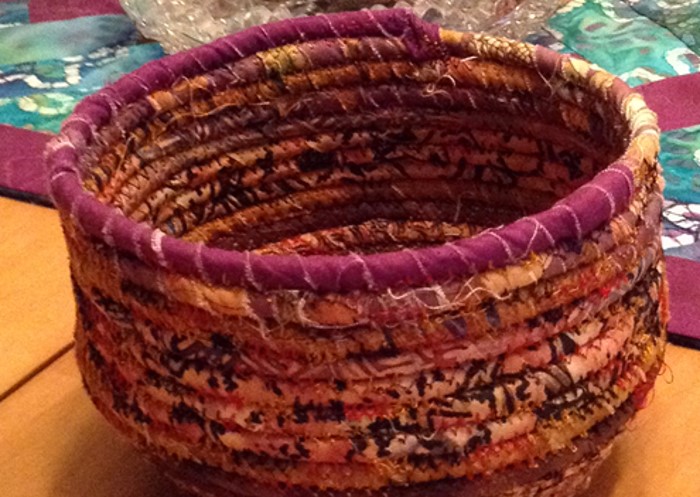
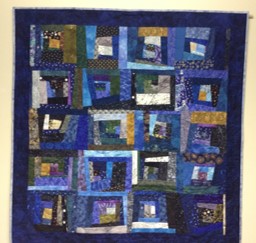
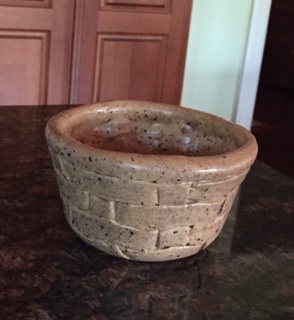
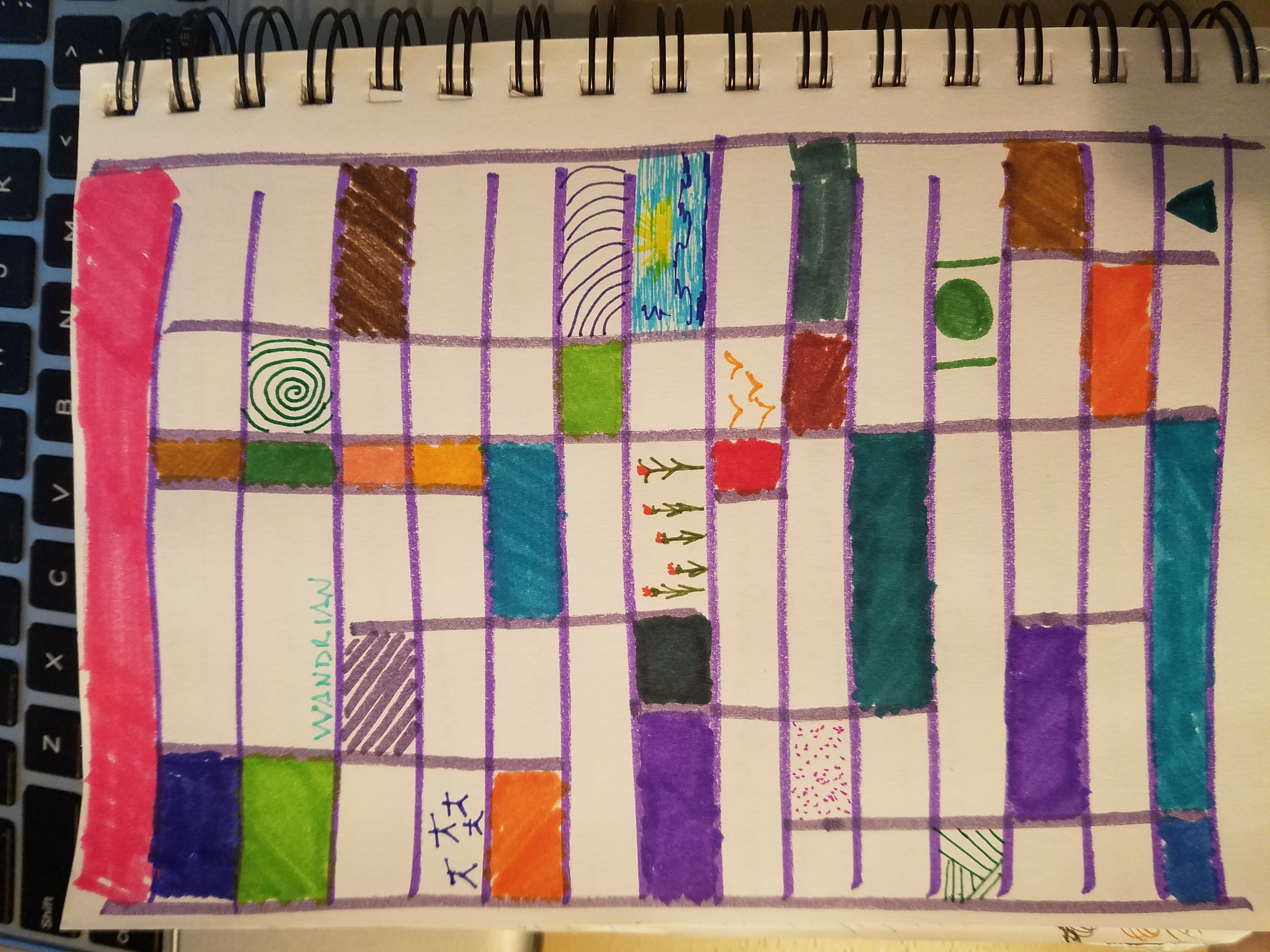
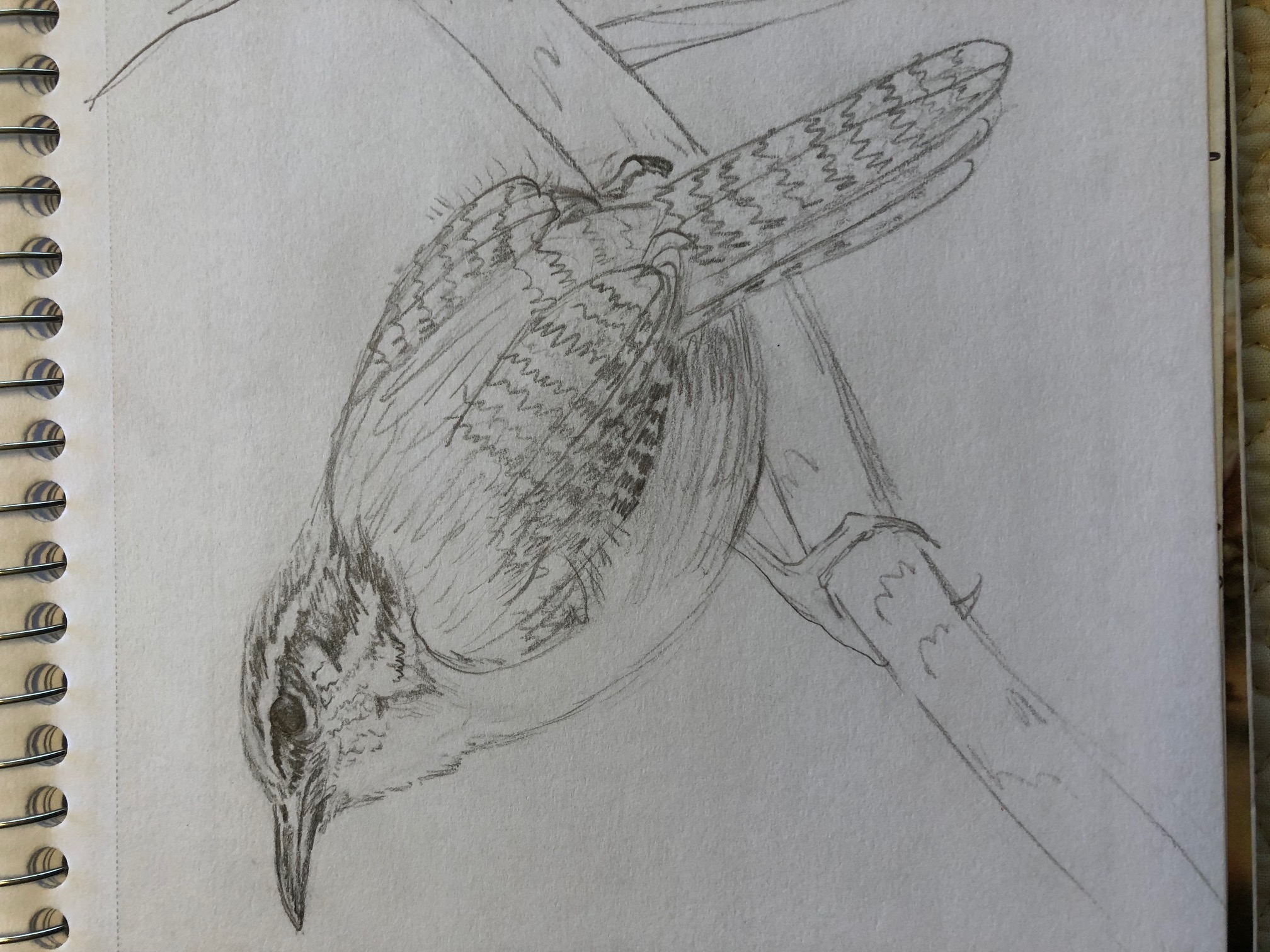
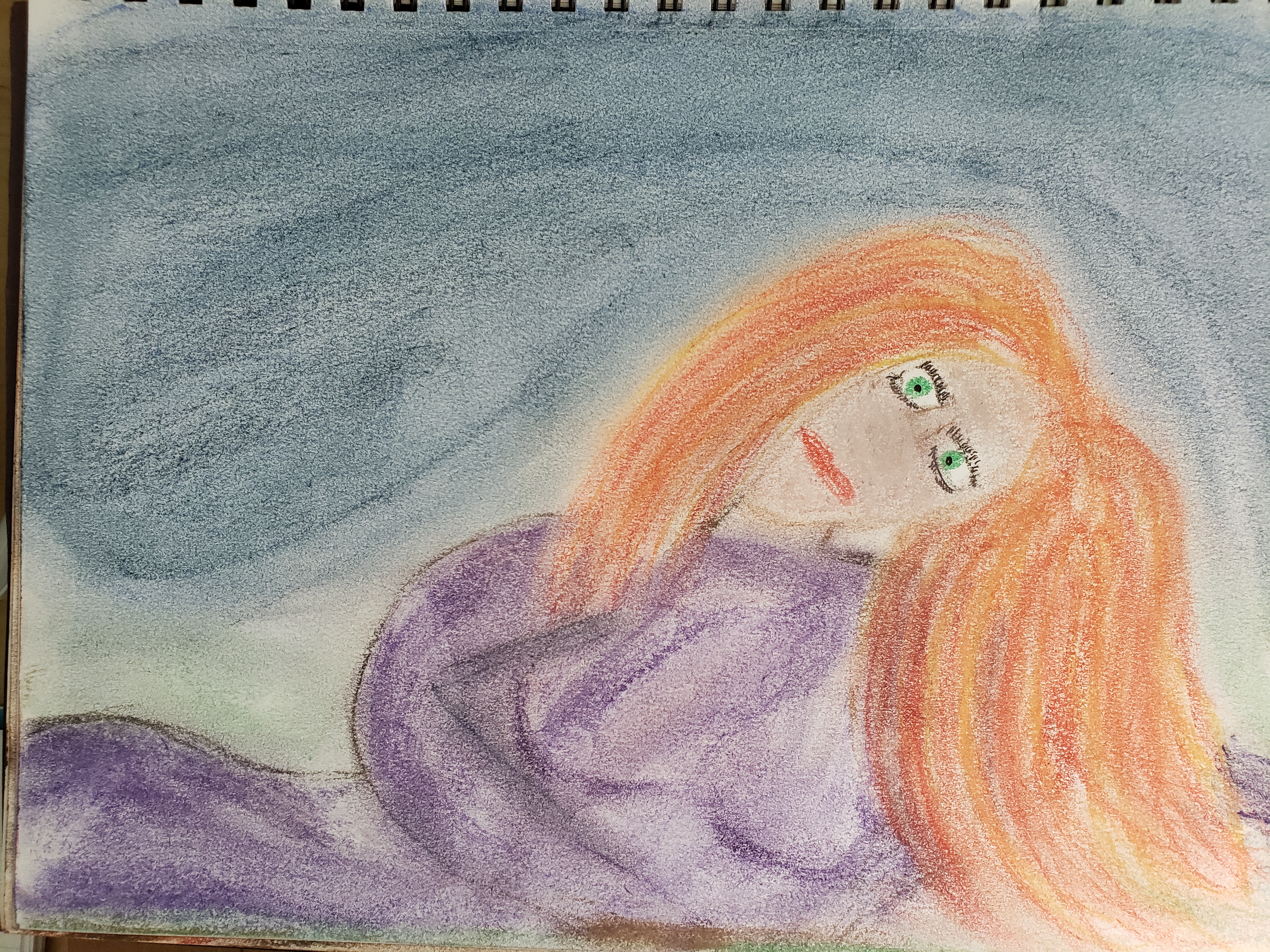
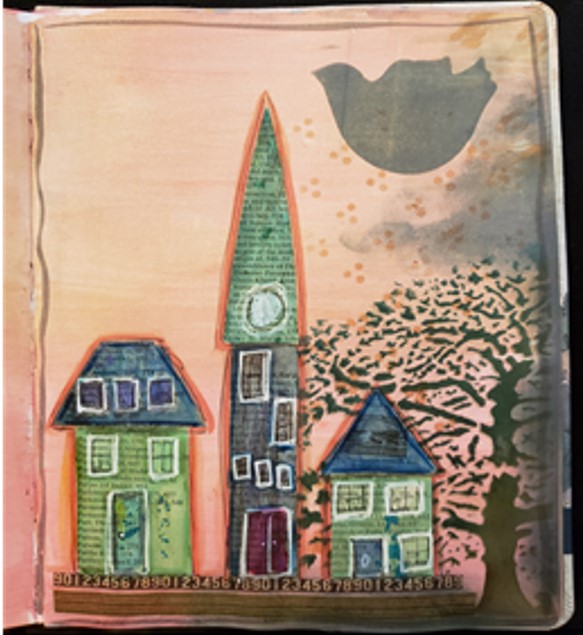
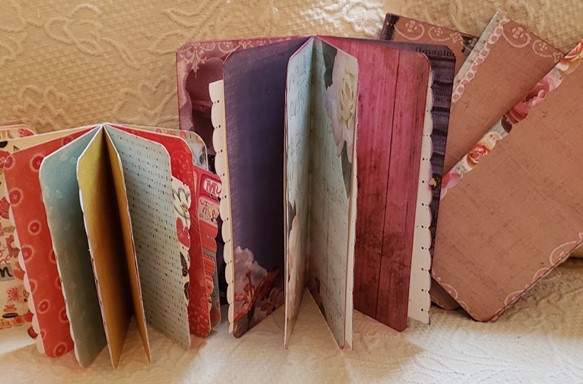
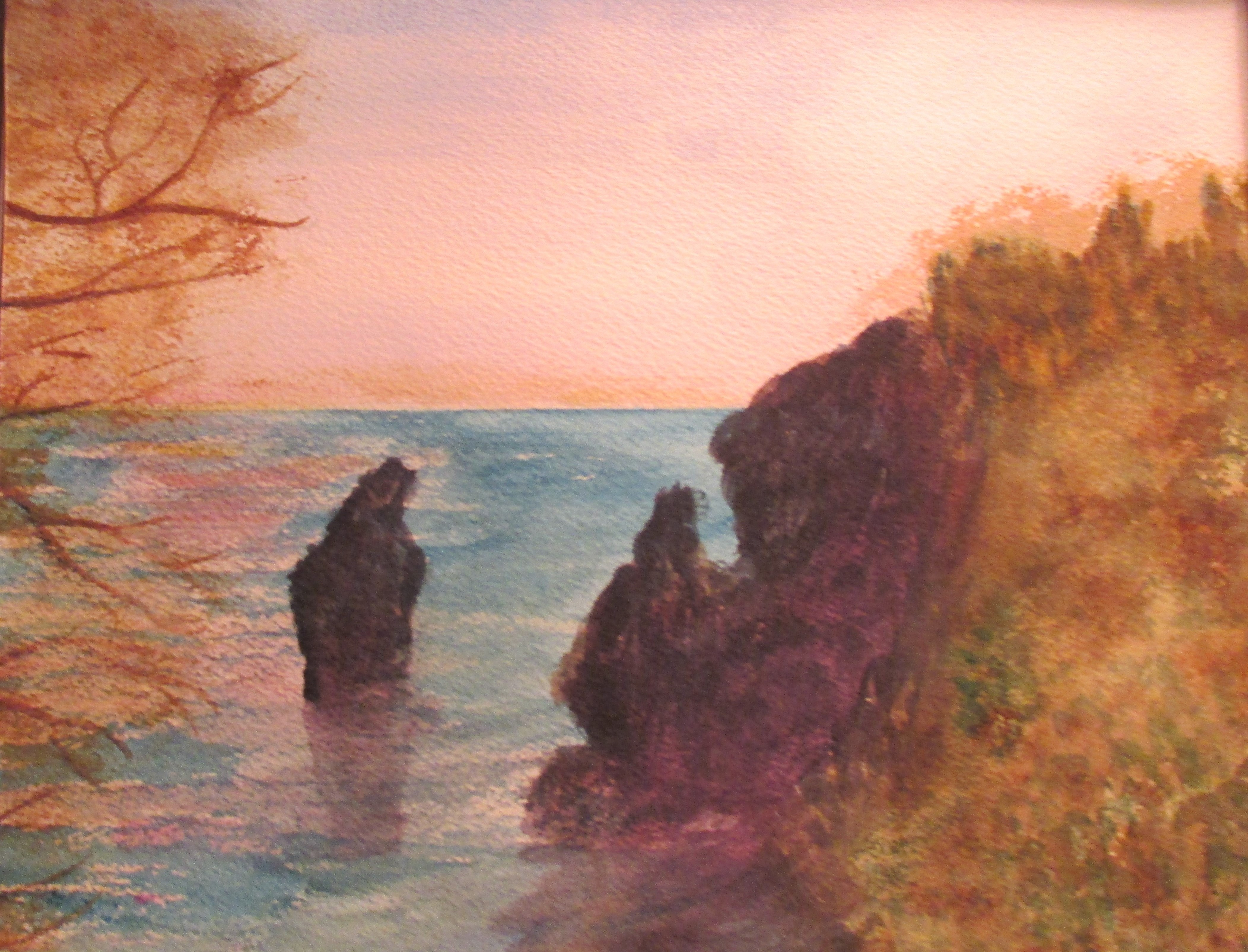
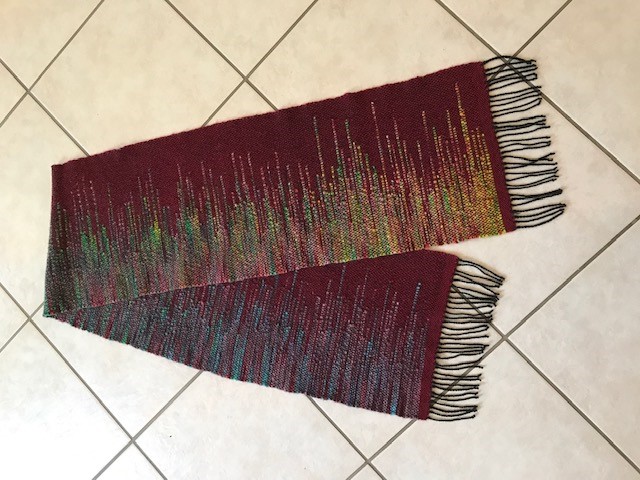
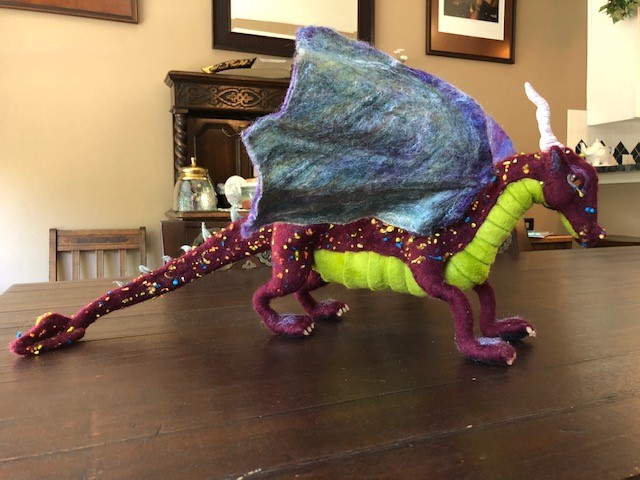
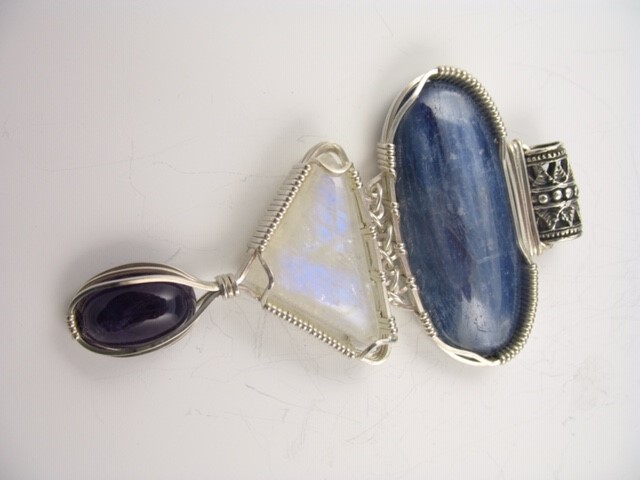
    Here are a sample of the wonderful things people sent.  We have art made from pastels, markers, textiles, pencil, and clay!  Some of these pieces have been in the making for a bit and others were dashed off to participate – either way, all are welcome.  I hope you find this encouraging and go off to try something new!  And if you didn’t finish in time, you were full of trepidation (but now you see that really, they won’t take away your birthday!), or you just forgot but now you’re willing to share, I’m still willing to post – just send it to jeniuscreationschallenge@gmail.com and we can keep this up for a while! 

    New pieces added to end as they come it – thank you!


  • Give yourself permission – be a mixed media artist

    I don’t know about you, but I’m pretty comfortable being a musician.  And that’s good.  I don’t avoid the topic – I tell people that’s what I am and it’s what I do.  And I guess now I can say I’m a recording artist too*.  But then I become less comfortable.  I have a hard time seeing myself as an artist of any kind!

    That word conjures up visions of “real” artists like DaVinci, Rafael, Van Dyke, Mondrian, or Basquiat (don’t like my list?  I’d love to know how you like better! Tell me in the comments.).  And then I become full of “can’t”.  I can’t draw, I can’t paint.  I can’t sketch.  Heck I can’t even doodle (no seriously, check any of my margins.  They are all starkly blank!).

    And that pile of “can’t” starts to weigh me down.  If I can’t be an artist how can I call myself one?

    How you look at something defines what you’ll see.  Reframing is simply actively deciding to look at something differently.  For instance, if I need to find a particular word on a page of text, I turn the book upside-down.  Because it is now harder to read, it becomes easier to search.  By reframing the problem, I have changed my perspective and thereby made finding the answer just a little bit easier.

    And so, to become comfortable calling myself and artist, I have to think about reframing how I see – myself, art, as well as the various media within which I can work.  Sometimes we need to push ourselves and allow ourselves to grow as artists.  And that push is not just at the harp – we need to push ourselves to do what we don’t think we can…in another medium.  We have to give ourselves permission to work in multiple media and possibly we’ll see growth across media!

    Remember when you started playing the harp?  It certainly is a forgiving instrument, but even so, there were probably times when you were sure you’d never learn to (Gliss accurately? Play harmonics? Get faster?).  You were a beginner.  When you’re a beginner, everything is a challenge, but you’re excited and curious and while you hope it will come easily, you sort of expect to not do it right immediately. As adults we have a much more difficult time adapting this beginner mindset and we stop allowing ourselves to be beginners – we expect a perfect try straight from the box.  Which is ridiculous – we’d never expect other people to do that well on the first try, but we maintain ridiculous expectations of ourselves!

    Being creative away from the harp will allow you to have room to grow.  Working in another medium also means learning new things, practicing different things that you need at the harp and having to think differently – even if only briefly.  Being creative in any medium will help you be more confident in your capacity to be creative.  And while the skills you master may (or may not) transfer – the freedom certainly will.

    I have a number of creative, artistic, free friends who make amazing art.  They create knitwear that actually looks like clothing, paint pictures that look like actual scenes, take breathtaking photographs, write captivating poetry.  They freely make and create and generate.  They are all harpers.  They create all the time.

    I have learned a lot from them.  OK, I’m still learning!  What have I learned?

    1. Be Creative.  As the shoes say, just do it.  Stop talking (inside your head) and make!
    2. Don’t judge! No really.
    3. Be Flexible.  It didn’t turn out the way you imagined?  Is it still kind of cool or do you need to learn some more and try again?  Either way…ok.
    4. Try things.  Just try it – you might like it!  Don’t know how to draw?  Ok, well, pick up your pen and do something and keep working on it.  And try again.  You’re learning!  (A friend also exasperatedly reminds me to go find a YouTube video to learn how to do something – she’s right, there’s videos for just about everything).
    5. Identify your hang-ups. What’s stopping you?  I usually know I can’t do what they’re doing so I’m tempted to not try, because it won’t be good enough (reference TWO and FOUR above).  Be tough here – what is r-e-a-l-l-y stopping you?  Name it!
    6. And defeat it!  Now that you have named what your hang-ups are – defeat them.  Look into their metaphorically beady little eyes and tell them to pound sand!
    7. Be Brave.  What’s the worst that can happen?  Your drawing of your dog looks like a firetruck? Your photo looks less like Loch Ness and more like Loch Mess? So what? It’s not like they’re going to take away your birthday!  Sneer at your inner doubter and be brave!

    Being creative away from the harp in another medium will allow you to have room to grow.  Being creative in any medium will help you be more confident in your capacity to be creative.  And while the skills may (or may not) transfer – the freedom certainly will.

    I talk a big game.  I am always starting to make art in other media and get caught up in “can’t”.  So, let’s set ourselves a challenge.  Within the next week, make some art.  It doesn’t have to be large, complicated, complex, or tortured – it just has to be yours.  Take a picture of it and post it in the comments and we’ll share them next week.  I say this with trepidation – because, you know, I can’t draw.  But I’ll be doing it too.  A doodle? A sketch? Photo from your phone that you crafted? An ashtray (are these still made in art?) Whatever you want – make it, photograph it and post it and I’ll make a gallery of our work next week.  We’ll all be in this together.

    UPDATE: PLEASE EMAIL YOUR CONTRIBUTION TO JENIUSCREATIONSCHALLENGE@GMAIL.COM (YOU WON’T BE ABLE TO LOAD IT INTO THE COMMENTS!).

    * why yes, my cd, This Moment, is available in ShamelessSelfPromotionLand.

  • Don’t confuse your bloopers with everyone else’s highlights –

    I saw this quote a while ago and it grabbed my attention.  It really points out an activity many of us do – often without thinking or questioning.

    You’ve been there – you are performing – at Carnegie Hall, at a local festival, in your church, for your cat – and you make a “unintended jazz improvisation”, an out of mode musical variation, an exciting opportunity to explore the entirety of the scale, a mistake!

    In your head this diversion is accompanied by a cymbal clash, a thunderclap, and an accusatory glare from everyone within earshot.  You replay it in your head in a heart wrenching loop – you focus all your energy in reliving the moment. You play it in slo-mo.  You play it over and over and over.  You reconfirm all your fears that you are not a good harp player.

    Picture1But then you make the real mistake – you point out to yourself that (insert your Harp Hero here) never makes those errors.  Your Harp Hero is perfect – you have never heard a wrong note emerge from HH’s harp!  It is not possible!

    The mistake you make is to replay your blooper reel incessantly with the occasional quick glance to focus on someone else’s highlights reel.  You fuel your inner narrative that you are not now, nor will you ever be, as good as (insert Harp Hero here).

    This is pointless and silly and you need to stop!  Next time you are in the presence of a Harp Hero – really listen.  It was incredibly freeing the first time I heard (and did not dismiss) my Harp Hero’s musical diversion – it helped me see that we are alike.  Ok, we are separated by years of experience and practice – but underneath all that – we both have bloopers and highlights –

    So the next time its Bloopers Showtime in your head, make some popcorn and watch your “Funniest Home Videos”.

    Then practice and gain experience – because you never know whose Harp Hero you might be!