Author: Jen

  • 6 July OSAS Report

    Each year we have an excellent experience and when it’s time to go we are certain that the next year can not possibly be better.  And each year we are wrong!

    OSAS was brilliant this year – I wish you all could have been there.  We learned some great tunes – can’t wait to really get them under my belt!  Lots of time singing – and we waulked a length of cloth which we later shared as a group. 
    

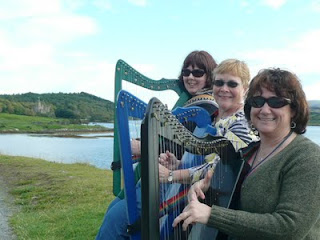
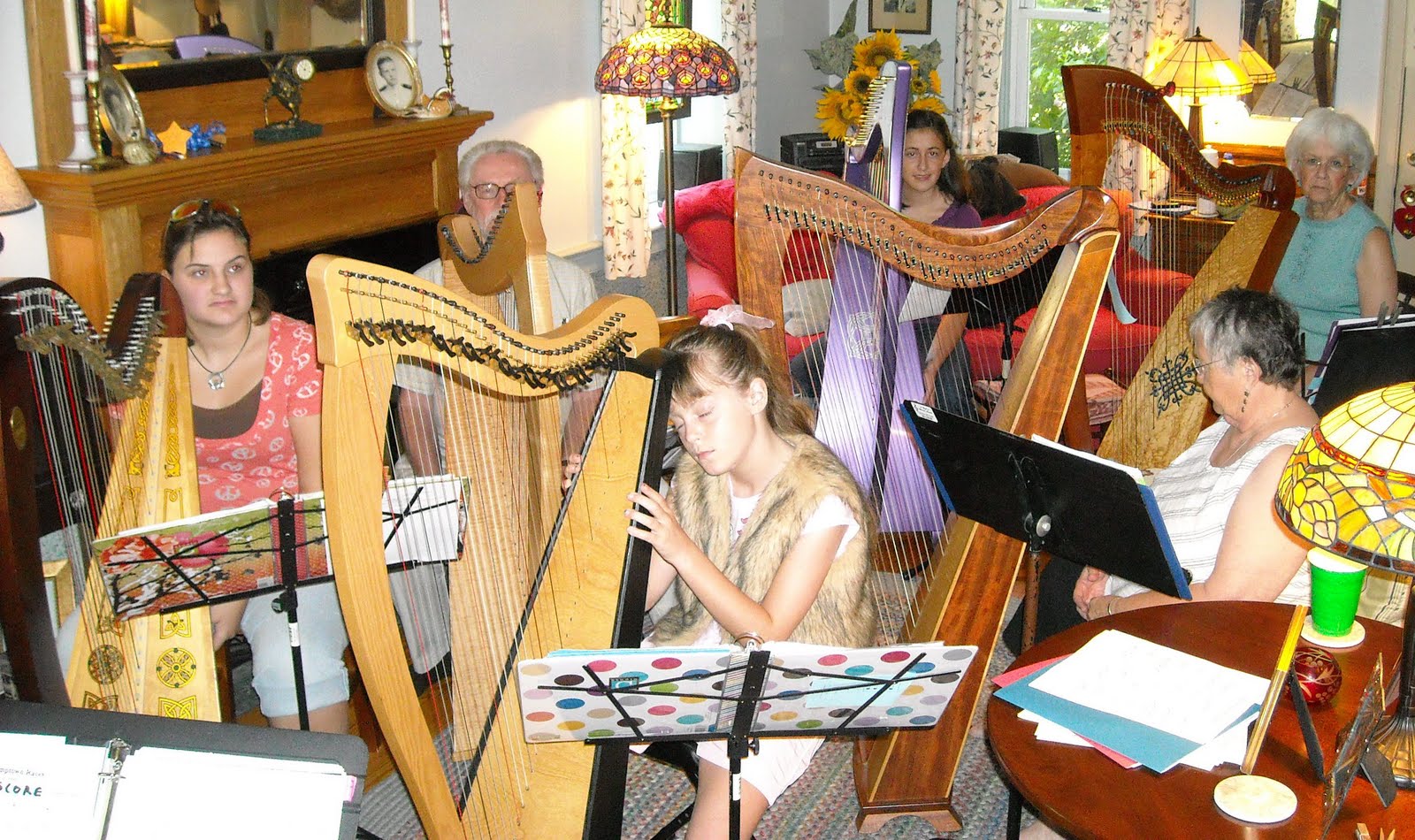
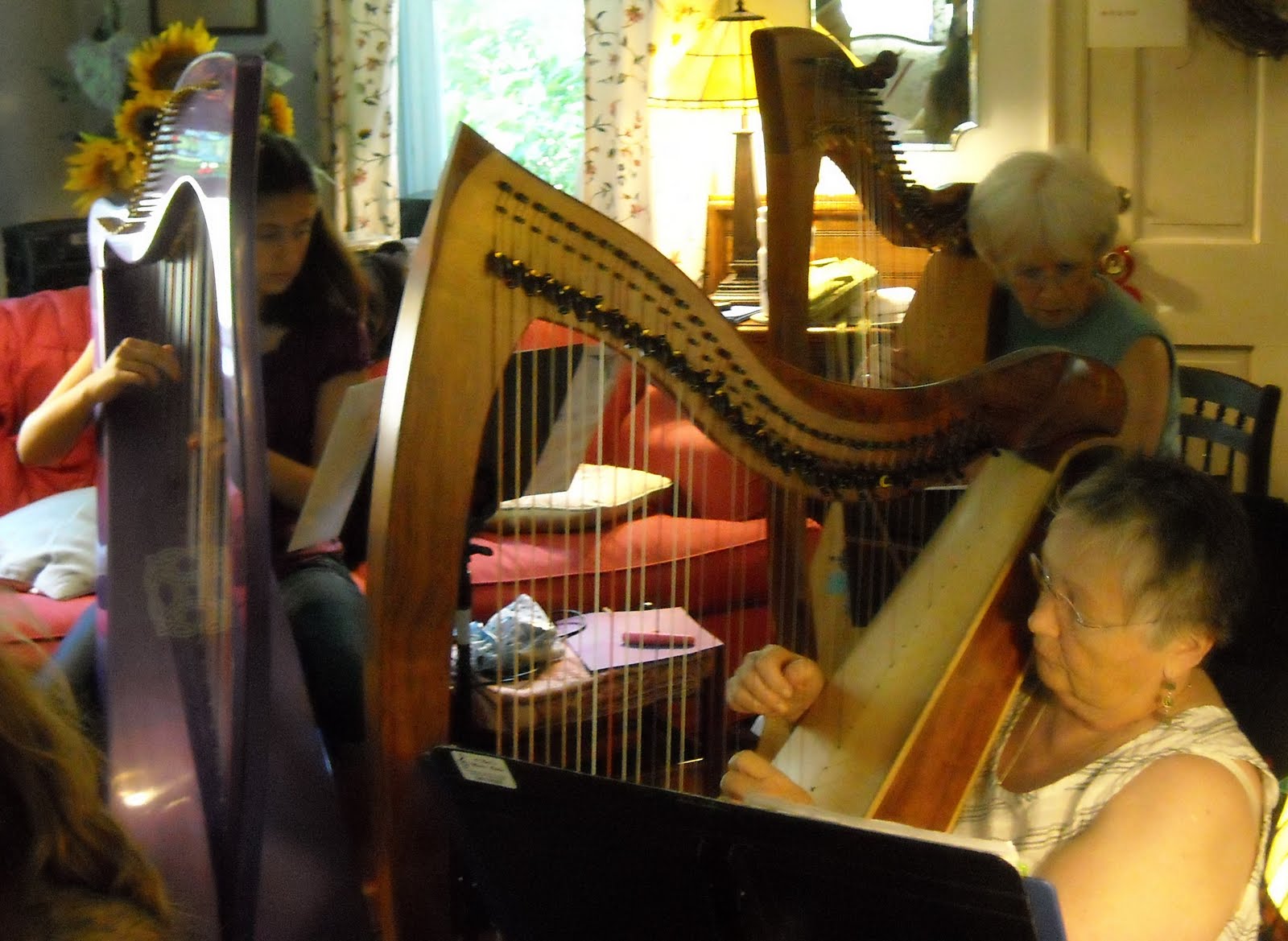
    Tiffany Lingle got this photo of Karen, Wendy and me having a great time in session

    We learned some lovely tunes, including snappy pipe tunes from Jo Morrison, songs from Seamus Gagne, a fantastic air from Sue Richards. Ann Heymann introduced us to the Sterling Heads roundel and the possibilities that it contains as well as sharing the Bunworth harp replica – a stunning copy guided by history.  We had lectures on teaching and technology, fiddle history, reading Gaelic, and rhythm.

    I was delighted to act as master of ceremonies for both the instructor concert and the “OSAS got Talent” variety show, as well as having the opportunity to be the counselor for the girls on the first floor!  Our harp kids are just cool people – which is always nice. 

    And there were sessions, cookies, more sessions, games, knitting, singing with the weeping beech, and the practically mandatory trip to the bead store. I was too busy having a good time, soaking up music and culture and language to remember to take photos.  

    There’s some wonderful photos and reminiscences in the latest Kilt and Harp which is posted at the SHSA members site, the forum – www.shsa.org/forum

    And I am beyond delighted to have been invited to teach at OSAS next year.  I already have ideas and I hope I’ll see you there in 2012!

  • Ohio Scottish Arts School 2011

    No big post today – I’m at the Ohio Scottish Arts School having my head stuffed with new tunes, seeing old friends, making new friends and playing like there’s no tomorrow.  Maybe you can come next year?

    I’ll post some highlights of OSAS next week – in the mean time, give us a tune!

  • Last Call!

    This will be the last call for the 2011 Harp in the Highlands and Islands Tour.  All the information you need can be found on  http://www.jeniuscreations.com/Harp_Tours_of_Scotland.php 

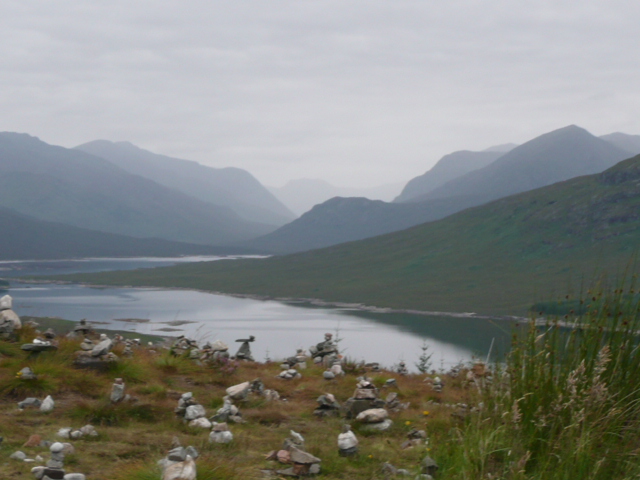
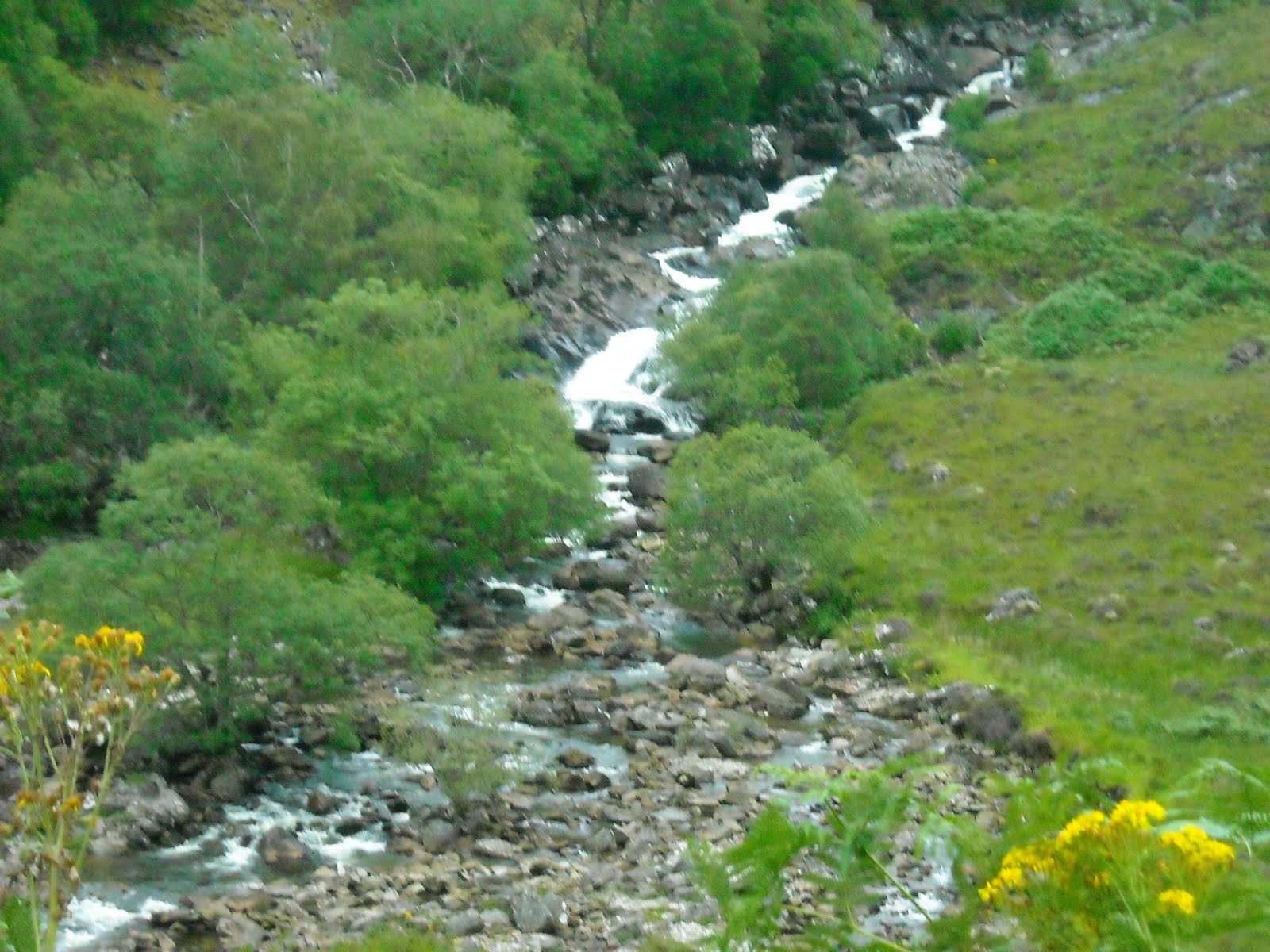
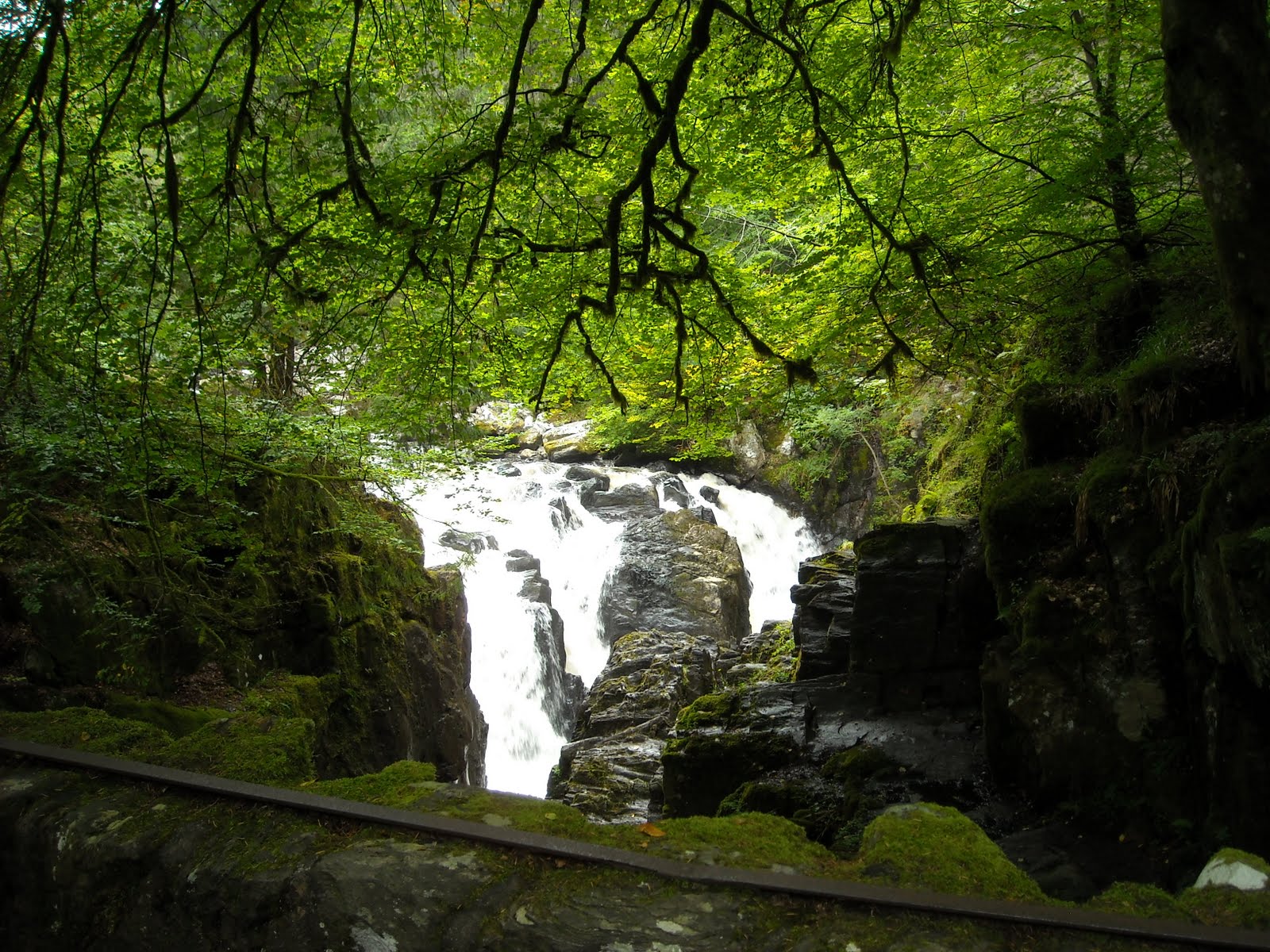
    We will be visiting beautiful, amazing, and excellent places, learning and playing tunes and having a great time.  There are only a couple of seats left in 2011.  Tthe dates – 22 – 29 August – give you plenty of time to also go to the Tattoo, the International Festival, the Book Festival, the Art Festival,or  the Fringe, beforehand.  Or elect to linger and participate in the Harp Village at Cromarty Arts Trust.

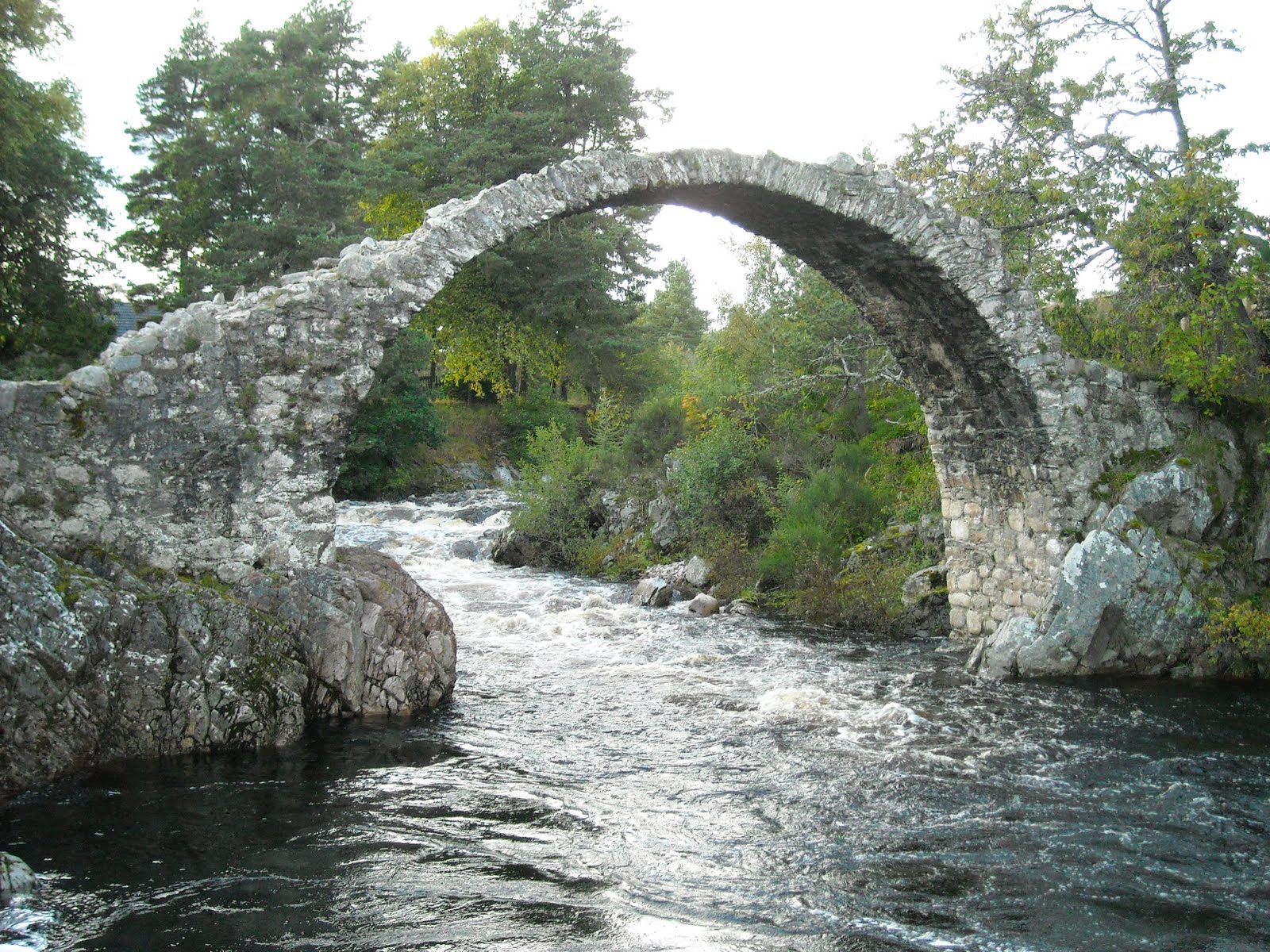
     I hope you’ll be able to join us visiting incredible venues like this:

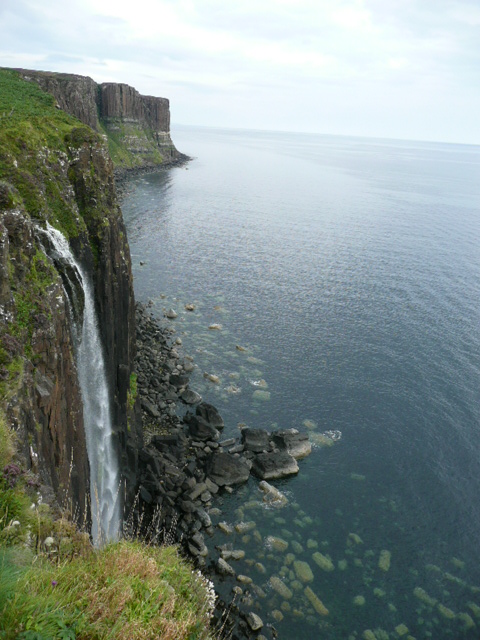
    and those postcard sites like this:

    For more information go to the website and to book, please send an email to jentheharper(at)gmail.com – hope you’ll be coming with us!

  • It’s not an obstacle, it’s a challenge

    I get inspiration in the oddest places. I write arrangements for traditional tunes based on my appreciation of Depeche Mode’s arrangements, Robert Frost poems, or squash casserole.  And I get ideas for what to share with you from sources just as diverse.

    I saw a billboard today that said, “It’s not an obstacle, it’s a challenge” and I thought – “wow” (not very erudite, but sometimes basic is best!). Mostly the wow thought was due to the heartbreaking accuracy of the concept.

    Do you ever open a piece of music and just get overwhelmed with the sheer amount of ink they left on the page? Or have you ever heard a lush arrangement of a meaty trad tune and just gotten lost in all the notes in the air? Either of these experiences usually leaves you thinking, “That’s fantastic…I LOVE that…but I’ll never be able to play it”.

    But the reality is that you can play anything you like. There is no warning label on complex pieces. There is no gatekeeper on tunes. There is no catalog of pieces that only “really good” people can play but no one else can. If you want to play it, you can.

    Of course, some things are out of easy reach. Note I said “easy reach”.

    You can reach though, if you want to. You might have to work hard and you might have to practice a lot, and you might have to take more time than you want to admit to having to spend.  And you may have to be patient with you. But think about the reward.

    Nothing is out of reach. It just presents a challenge…So ask yourself…when you think, “I can’t play that”, how much do you want to? Are you willing to do the work?

    I’m looking forward to hearing your piece – when you have mastered it and are ready to share!

  • “It’s like a painting except it’s here…and then it’s gone” Harry Connick, Jr.

    Harry Connick, Jr made that comment in a program about the process of building concert pianos. In full disclosure, as much as I love playing the harp, I also love playing the piano. It was my first instrument and it provided the foundation for my musical life. I was fortunate to have an incredible teacher who taught me the importance of being a whole musician – the importance of practice, reading, interpretation, performing, and enjoying all of it. It is a strong underpinning that I continue to build on now, even though I don’t take the time to play my piano as much (note that I didn’t say I don’t have time…because truthfully, I don’t make time). And although I never got the concert grand I always wanted…but I got the mental equivalent and I’m grateful for that.

    But Harry had a good point – music is ephemeral – fleeting. It can be like a breeze in summer…worth waiting for and so enjoyable when it comes. And best of all, as musicians, we can create our own breeze!

    In the height of summer, when you get a cooling breeze, you don’t think, “well, that wasn’t right” or “I didn’t like that, I am a terrible breeze appreciator” or “that breeze was a chore to experience” or “that breeze was terrible, I’m going to repeat it over and over and over until I get it perfect”.

    No, you just think, “oh, wasn’t that nice”.

    Take that same appreciative approach to your music – enjoy the process and the activity, and the cool breeze it brings you. Enjoy the brief respite from the heat of the rest of the day. Revel in making music. Don’t focus on the details but delight in the sensation.

  • Courage to move

    Improvisation is the courage to move
    from one note to the next
    Bobby McFerrin

    I don’t know about you, but most of my musical life, I have been terrorized by one word – “improvise”.


    I have always balked at improvisation – because I know that I can’t do it.  Everyone knows that only the jazz greats are good improvisers.  Somehow, they receive some sort of divine intervention and brilliant music fills their heads and then it comes tumbling out of their fingers.


    So, whenever someone says, “oh, just improvise” I begin to panic.  I’m not a jazz great! (of course, I’ve also never aspired to be a jazz great, so not sure where that line of thought is supposed to be going…).  Mostly though, I focus on all the things I can’t do.  I don’t breathe, I’m too busy thinking up excuses about what doesn’t come out because I can’t improvise…

    When the moment has passed and I’m by myself, I’ll  do one of two things to calm my nerves.  Either, I’ll either sit down at my piano and crank out a Bach Invention – exactly as written – verbatim.  Or more likely, I’ll seek solace at my harp and bring out some wonderful traditional tune that pops into my heart and mess around some with the harmony…just sticking stuff in the left hand..doing just anything that feels like it will work,  stuff that will add that soupcon of feeling that will fill in the space with spice….

    But that’s not improvising.  I’m just playing it for myself…it doesn’t matter what happens when I play…there is no wrong because I’m just playing around….

    But I’m not improvising….really.  Because I can’t….I’m afraid to move…

    Hmmmmm.

  • From Nothing – Something

    Last week I ended by saying that if you practice being you’ll find your creativity. And you probably thought, “ugh, there she goes again – she’s always talking about practice…as if practicing my harp isn’t enough work, now she wants me to practice being quiet!”

    And many of us don’t want to practice something new. What if we’re not good at it? What if it’s hard to do? What if we fail? What if everyone else thinks we’re being silly? All valid questions, and all questions you probably asked yourself before you started playing the harp. But you didn’t let those questions stop you then – and you shouldn’t let them stop you now.

    Being quiet doesn’t necessarily mean becoming a spiritualist – a wise monk once told me that many of us miss the point – the being quiet is not for the sake of being quiet. The point is to get to the quiet so you can pay attention. To see what is at this moment in time. You don’t have to become a yogi or a sufi or a sage…you just have to pay attention to right now. Sometimes this is called being present. You can be present in a lot of ways. You can sit in lotus and chant. You can go for a walk. You can knit a scarf. You can pray. The point is to do something that allows you to focus…and once you’re focused you can grow.

    And that growth is what you’re trying to get to – so you can grow your creativity! So practice making nothing (remember that silence is the sound of nothing)…and with enough practice you’ll be able to create – in other words, you’ll make Something out of Nothing.

  • Enjoy the silence II

    Last week we talked about silence as necessary to build creativity. For those of you who know me personally, you might be surprised to hear me say that (since you’re so used to hearing me say something – I do talk a lot). But truly – finding quiet is essential to being creative – it is the only way to hear what’s possible inside your head, or your heart, or your hernia for that matter. And whether it’s you brain, your emotions, or your gut, there’s good stuff in there for you to work with to create.

    But how do you get to hear the silence? After all we live in a noisy world. And we often don’t even recognize the noisiness. I didn’t until a friend pointed it out. We have sounds and distractions everywhere. In fact we view sitting quietly as being idle – and idleness is bad. But when was the last time you drove somewhere without the radio on, or walked somewhere without your ipod?

    Quiet can be found, but you have to seek it and make it happen around you. Spend a little time with no distractions (even if you have to hide in the bathroom to do it). Enjoy the silence – and what you hear in it. We’re not talking about the kind of mental stillness that monks pursue (we could be, but I’m not that ambitious about this). This can be the kind of quiet that comes from a walk alone, a brief sit in the sun, or quiet contemplation. Don’t make it too hard – just a minute or two to start…you might be surprised how refreshing it is. And if you practice being quiet, you’ll find that you’re more creative than you had heard!

  • Enjoy the silence

    You might recall that music is made up of sounds and silence. Silence is a very useful thing – grabbing attention of the listener, helping to focus on the upcoming phrase or giving the listener time to reflect on the phrase that has just recently past.

    Unfortunately, in our daily lives we have precious little silence – we sing in the shower, turn on the television when we awake, get in the car and put on the radio, and walk around with our phone or music player firmly ensconced in our ears. One might think we are afraid of silence – we do go to great lengths to avoid it.

    But silence is more important than being space in our music – it provides a consistent background against which to think. It gives your brain a chance to catch its metaphorical breath. And then, you can create. Whether you’re composing, arranging, interpreting or conjoining music in new ways, you need that space to create – you need that silence.

    Of course, finding silence can be a challenge. Even if you have decided to create a quiet place in your world, the others in that world may make it difficult to get there. In addition, even if you get the world around you quiet, it may be difficult to get the world within you quiet. But you do need that quiet – in the quiet you can generate creative new things, or just be, it’s your choice.

    How do you find silence in which to be creative?  Let me know – and I’ll share some of my paths with you soon.
    Let the silence sometimes be your choice – and enjoy the silence.

  • Southern Maryland Celtic Festival Harp Competition Results

    We couldn’t have had a better day in Southern Maryland for the Celtic Festival Harp Competition – it was mild and bright and beautiful! We held a Scottish Harp Society of America Sanctioned competition modified for a Celtic field (music from any of the Celtic nations).

    Our judge was Sharon Knowles who is a great comment writer. Comments are the real meat of any competition – and Sharon is particularly good at providing excellent feedback for improvement while also pointing out the very best of each performance.

    And we had some fantastic performances by the competitors – Sharon remarked on the enhanced standard of play – and she is right. We had a very accomplished field. Remember that the SHSA rules establish a competition against a standard rather than against the other competitors which includes the possibility of no one winning. But that wasn’t possible here – the play was just too good! And the scores were very close indeed. The results:

         Beginner          First Place: Jennifer Plunk
         Novice             First Place: Mary Abbott
                                Second Place: Donna Bennett
         Apprentice       First Place: Barbara Costello
         Journeyman     First Place: Mike Connors
                                Second Place: Saori Nystrom
         Master             First Place: Caroline Kemper

    Congratulations to all the winners!

    Throughout the day, after the competition, we had many other harp activities. Sharon taught a workshop before she performed on two separate stages. In addition we had an impromptu jam session as well as joining other musicians for a session for the country dancers before the ceilidh.

    I’d like to thank Sharon for her wonderful judging. I’d also like to thank the volunteers who helped make the day run so smoothly – Sue Richards – steward, Linda Rice-Johnson – photography, and David Narkevicius – harp schlep, handyman, and gopher as well as John Knowles, wrangler and Donna Bennett, movie extra.

    We had a lovely time and I hope you’ll come out to compete next year.