Author: Jen

  • Harpa 2019 wraps

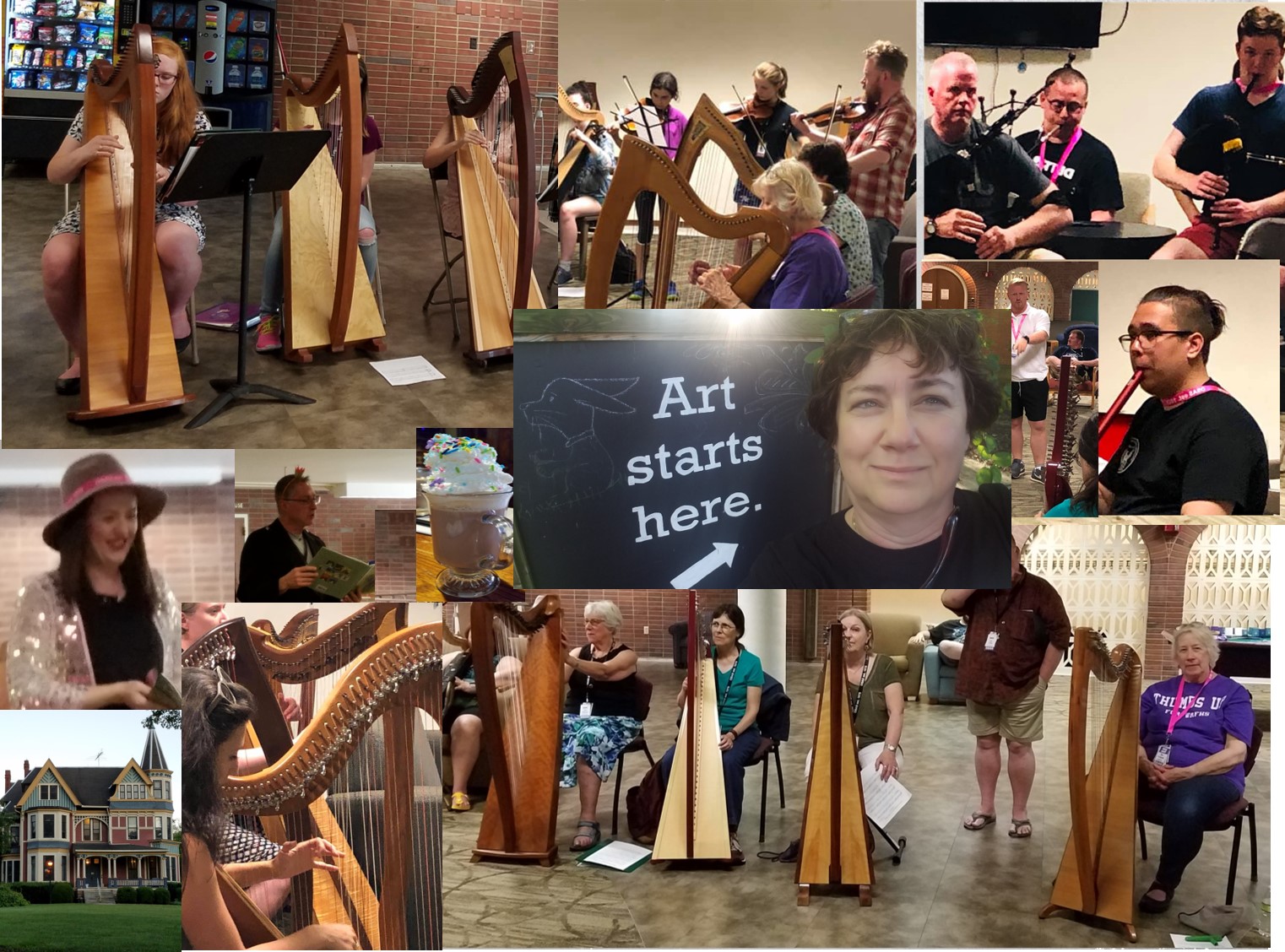
    Harpa 2019 is drawing to a close and with that comes the big jumble of emotions – so much joy and discovery and laughter…and cookies!  And just a touch of sadness – another lovely vacation trip with new and old friends is in the books.  Memories to share and cherish, plans to mature for the next time and the gap of quiet once we have departed each other.

    Harpa may not be what you think it is. It is likely so much more!  Yes, it is a vacation with friends and harps.  Yes, we tour and visit and chill.  We perform to help raise money for local charities, but mostly we perform because we love to!

    But Harpa is also a spirit, a way of being, a way of life.  Harpaniks (as we affectionately refer to ourselves) seem to use our harps to frame our view.  We spend time looking at the world from many perspectives.  From behind the harp we see where we can touch the world, to delight an audience, to help a charity, to draw a smile or a tear.  From beside our harps we introduce people to our instruments and our amazing music.  With our harps we meet new people- at concerts but also at the local stromach (session) or in a fish and chips shop.  And from under our harps as we carry them from the airport, to and from venues, and everywhere in between, we see the kindnesses of strangers (sometimes after they gawp at us!) who have helped us get through airports and train stations, into and out of taxis and elevators.  And through all of this, in between times we share with each other – playing tunes, rehearsing, showing off.

    All because we aren’t just people who play an instrument.  We love it!

    Harpa is more than a vacation – it’s a way of seeing and being.  And we have looked and we have seen!  Of course, there is so much more to look at!


    We are privileged to have helped others and by extension have made our lives a little better. We are grateful for the opportunity and we just had fun doing it!


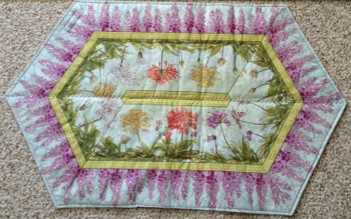
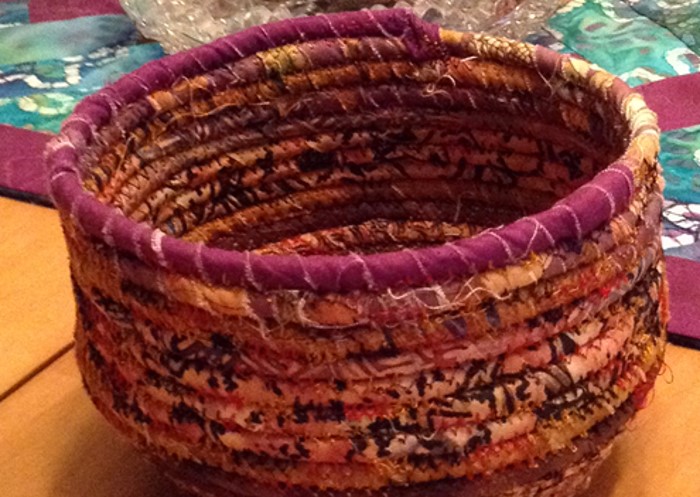
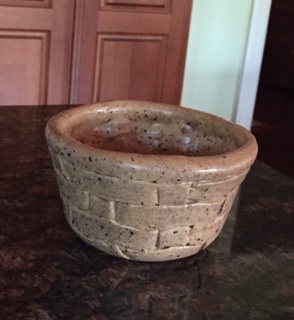
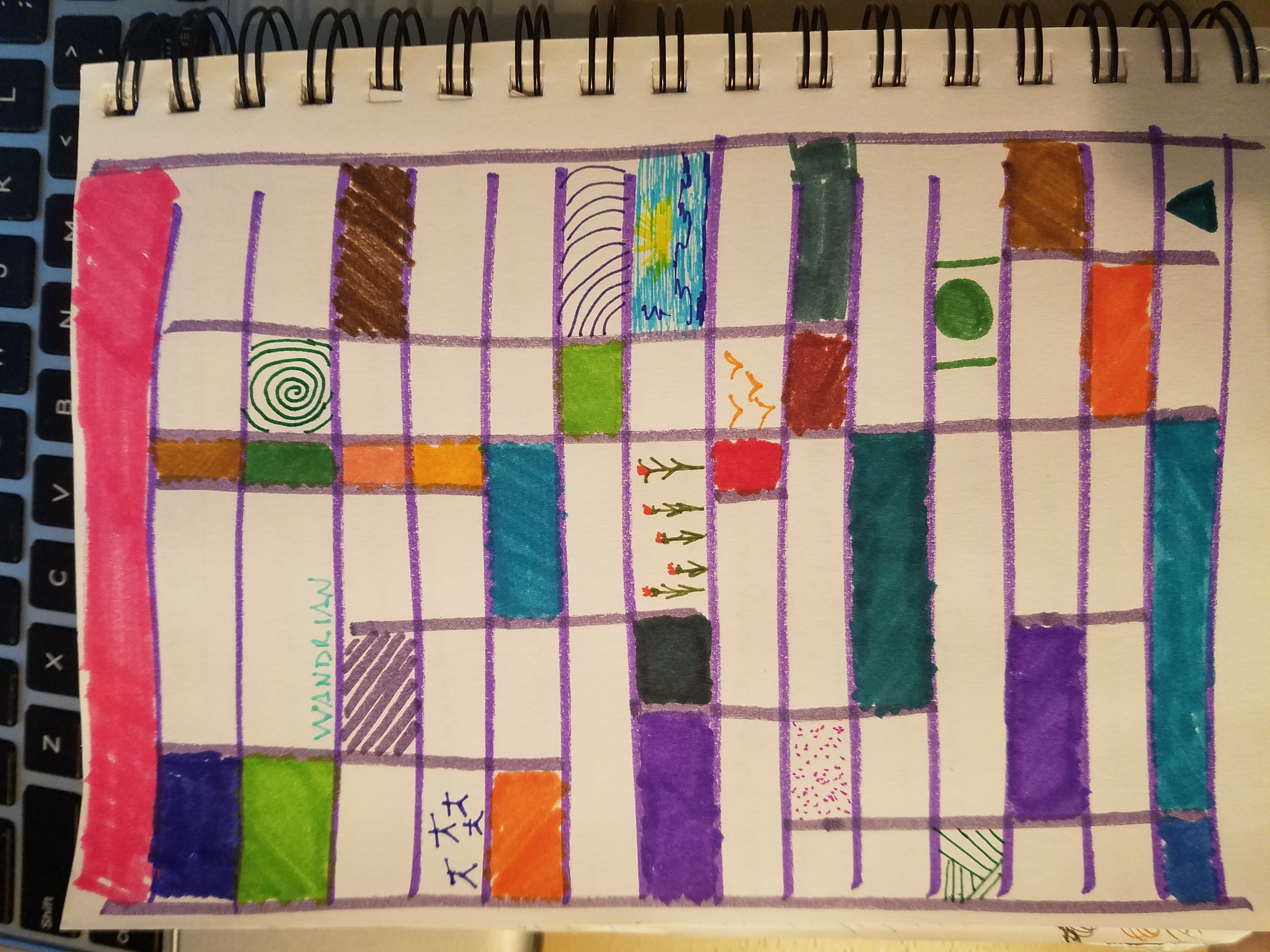
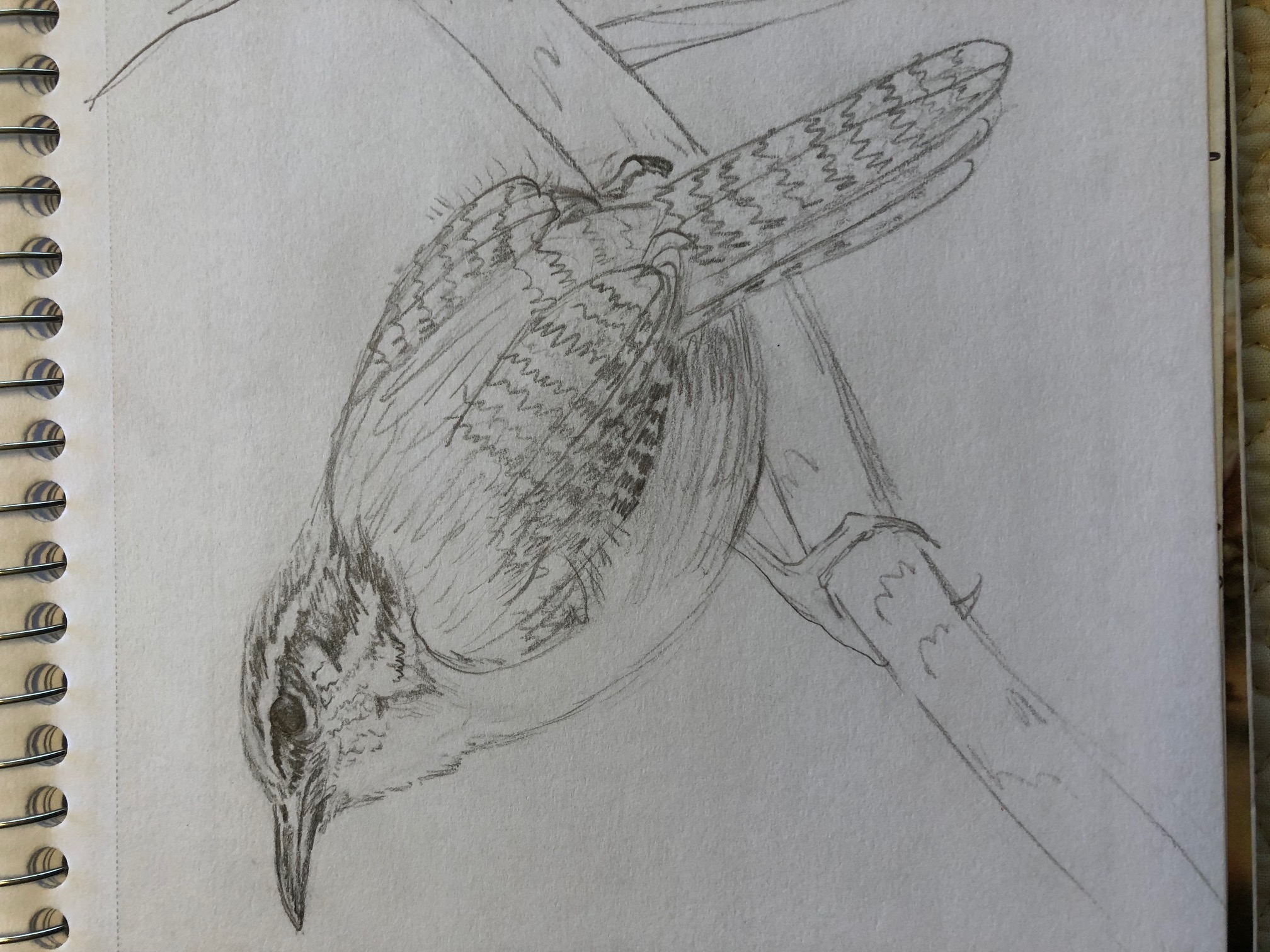
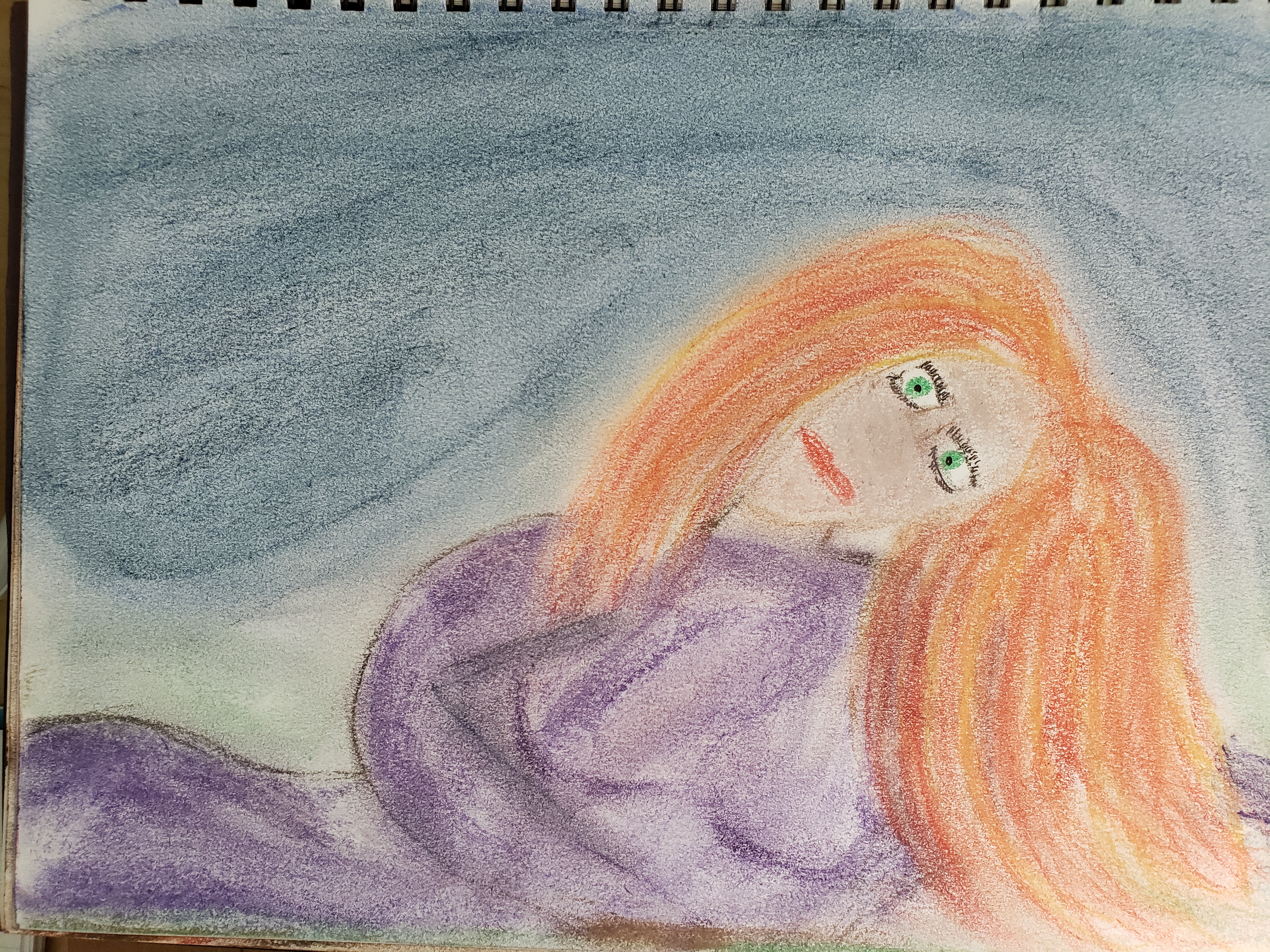
    And in our down time, we made art together, ate a lot and laughed a lot, from titters at lame jokes to the guffaws of funny stories and separate yet shared experiences.

    Through it all we missed our founder, but she’ll be healed up and ready to go for the next time.  And we’re already thinking about what next time is going to look like.  Watch this space for updates.  And visit our Facebook page for more photos and videos.

    Harpa is a concept and a state of mind – travel, friends, new things, old ties, and the music that binds us all… I cannot wait for the next one!  Want to join us? Leave me a message to learn more.


  • Harpa Retreat 2019 has begun!

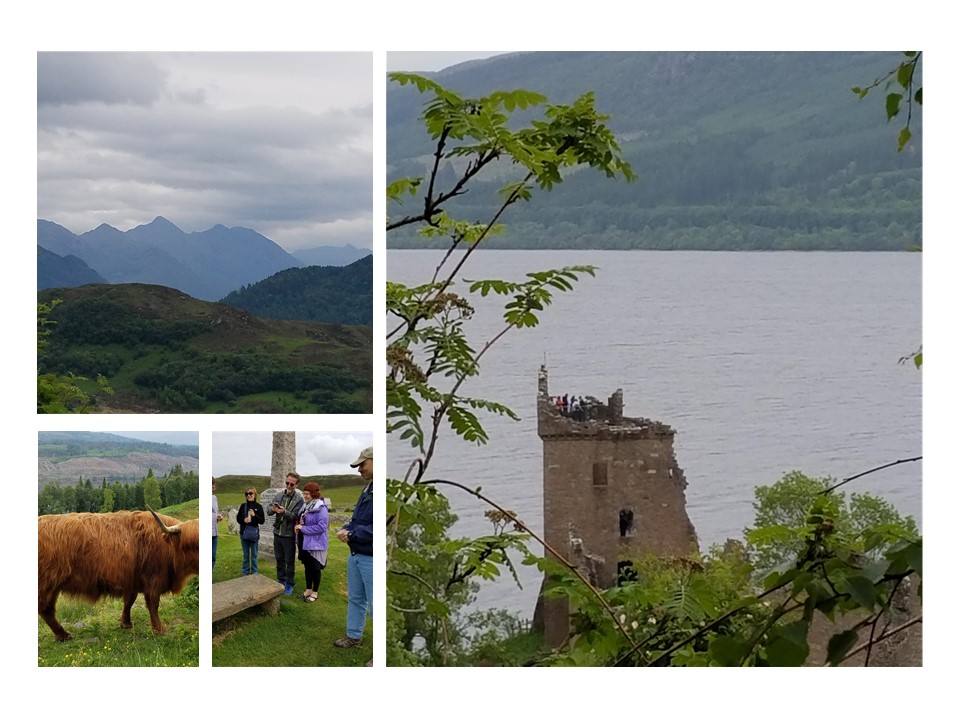
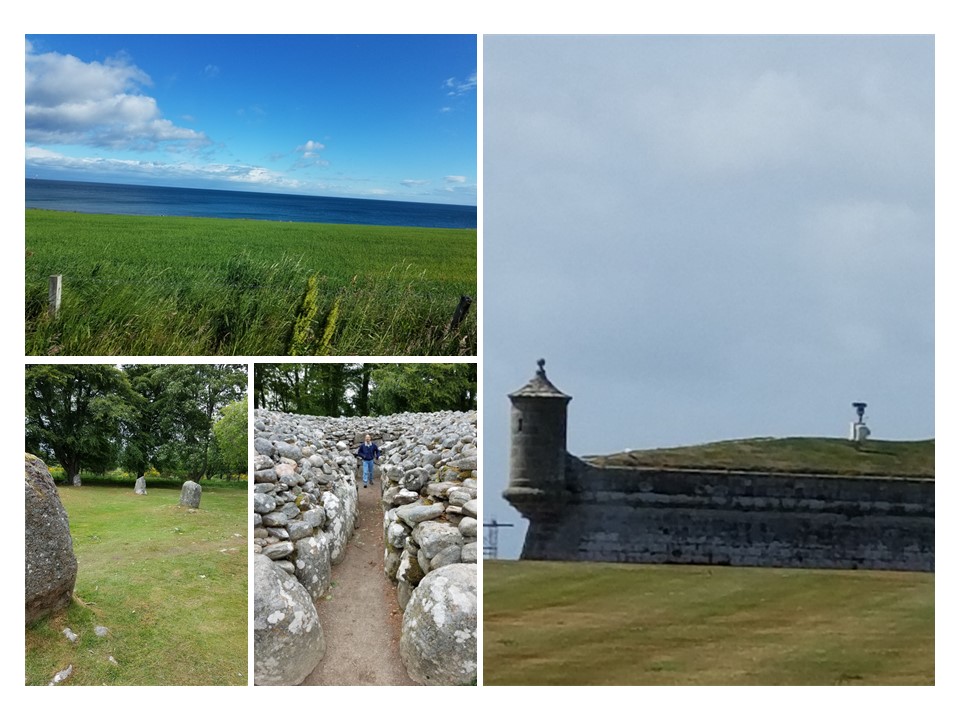
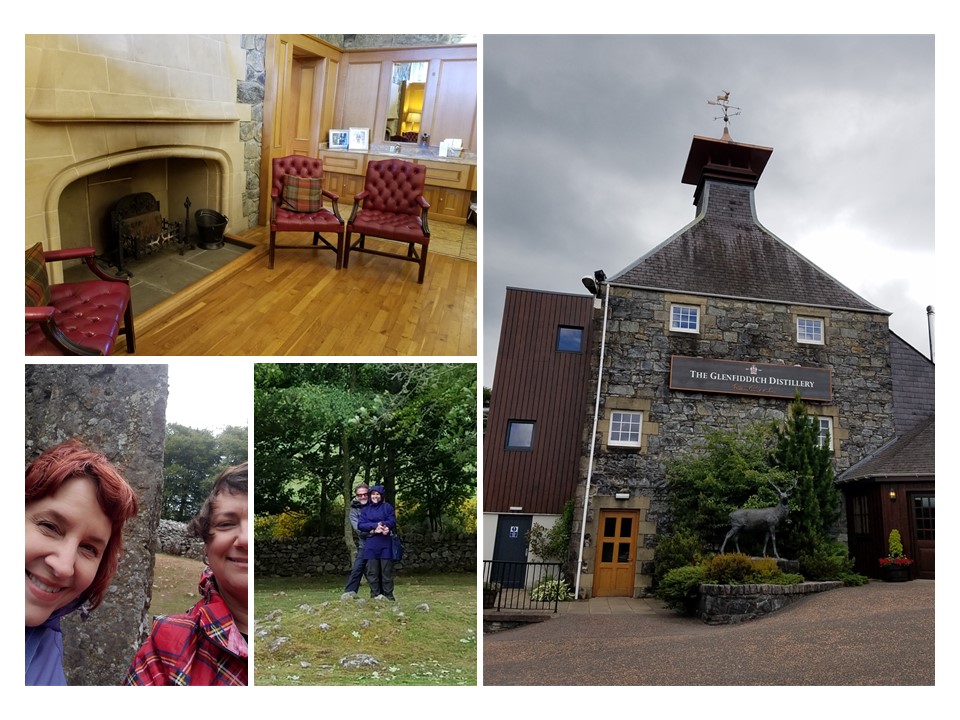
    Harpa 2019 has started! We have all arrived in Scotland and are already having a blast. We are seven this time – five harpers and two appreciators, as well as David our intrepid guide and Heather, our harp-playing roadie. We are significantly missing our lead Harpanik. Beth Kolle, who founded Harpa, is home recovering from a demonstration of gravity and we are missing her terribly. But we press on, carrying the Harpa flag!

    This year we decided that we would benefit from a “vacation from our vacation” type trip and began developing the Harpa Retreat concept. We came to Scotland because – well, Scotland!! We have two concerts for different charities scheduled. And we’re planning on more down time so we can really savor our time here, make art, jam and really enjoy each other musically, and just breathe. Because that can be the problem of a vacation – you go somewhere interesting, that you want to see and soak up, and share with friends, and really experience, and you spend some short but manageable time there. But you’ve spent a lot of money to get there and you want to see it all! And you really do try, but you can’t succeed and you get very tired trying! And worst of all, in all that trying, it’s easy to miss the very thing you went there for. So this year, we are trying to take it a little slower, to chill a little. So far it’s been a great idea!

    We have just started yesterday and we have an amazing group. Our performers are Sue Richards, Therese Honey, Martha Hill, Donna Bennett, and me. Sue, Therese and I started a little early in Glasgow so we could meet some of the members of the Glasgow Branch of the Clarsach Society and share a workshop (which was just an incredible day – thanks to Gillian Fleetwood for making that happen!), see some great museums, and ride trains with harps.

    We took a Preparatory photo to help explain to taxi people what we were looking to get into the cab . It didn’t help the planning, but was fun to take. Photo by Therese Honey – who is a much better photographer than I!

    Why yes, you c-a-n get two harps into a cab, onto a train, still have fun and enjoy the ride! Another Therese photo – she’s good about taking them!

    We all met up in Endinburgh and yesterday we set off on another adventure.

    And yet another photo from Therese – she finds the best photos – just the way she looks at the world is amazing!  We had the easy job. David and Heather had to figure out how to get the harps into the vehicle – puzzle for the day.

    We have been posting photos on Facebook here and on the FB Harpa group. Wish you were here! More later, we’re busy having fun!  Wish you could see Scotland through a harp?  Leave a comment and let me know!


    PS – just like if you have more than one harp, you have a favorite, I have a favorite computing device…and I chose to travel with the other one, so please forgive any errors.  I’m blaming them on the #%~*^ ipad!

  • Summer’s a comin’

    There are so many things to do in the summer! And so many of them occur at the same time that you probably need to do a little calendar management, just so you can get to as many events as possible.

    I’m excited to be thinking about all the fun things on offer this summer – especially the ones I’ll be participating in. I hope you’ll look this over and consider joining me for at least one of them!

    1. Harpa!

    If you’re not already signed up, you don’t have much time – we start next week, 7 – 15 May. (OK, if you seriously want to go to this, please email me immediately, because, we’re already leaving!). If you can’t turn on that thin a dime (which would be almost everyone on the earth), you might want to start planning to come on the 2020 Harp the Highlands and Islands trip (more on that soon).

    PS – watch my Facebook page and the Harpa FB page – I know we’ll post lots of fun photos while we’re in Scotland!

    1. Ohio Scottish Games

    Stolen directly from the Games website: OSG will be held June 22, 2019 and there will be loads to see and do…but why would you when you’ll want to get there early and be at the Harp Competition all day long!?!?!

    This games was established in 1977, and is presented by members of The Ohio Scottish American Cultural Society of Ohio, an organization dedicated to the preservation and promotion of their proud Scottish Heritage and ancestry. OSG highlights traditional dance, music and athletics of the ancient highland games.

    And this year, Ohio is hosting the US National Scottish Harp Championship TM and I’m so excited to be one of the judges. If you’ve never been, it’s worth coming out – hear the train, meet new (to you) harpers. It’s a tradition! They also have all the other cool festival stuff like food, athletics, pipe bands, classic cars, and loads of vendors. But you won’t care if you miss that – because you’ll be at the Harp Competition! Go to https://www.ohioscottishgames.com/competitions for more details.

    1. Ohio Scottish Arts School

    Once you’ve been dazzled by the competition (or delighted by your performance in the competition), you can head right over to OSAS. I’m so looking forward to teaching this summer. OSAS is celebrating 41 years of educating artists in the traditional music and dance of Scotland.

    Again, shamelessly stolen from the website: The Scottish Harp classes will focus on basic harp technique for beginners and intermediates. repertoire at all levels, including tunes for competition sets, and Scottish style, including ornaments, lilt, and dance types. We will study Scottish dance music, airs, and songs, focusing on ornamentation, Scottish style, accompaniment, and learning by ear. Afternoons will include lectures, practice time, and playing in sessions. Classes will be available for beginners who have played for a few months, intermediates, and advanced players. And we’ll have a delightful Tea presented by Ringgold Harp Ensemble, a highlight!

    I’m so excited to be teaching with the incomparable Sue Richards as well as the stunning and delightful Rachels – Rachel Hair and Rachel Clemente (an OSAS alum!).  There is probably no other place you can go to learn so much so quickly and s-t-i-l-l have a great time.

    1. Somerset Harp Festival

    Somewhere on the Somerset website it says, “Play the Harp better” – and boy oh boy, will you! I am so pleased to have been invited to teach here and will be even more thrilled to teach with Donna Bennett.

    Together Donna and I will deliver the Creativity Tools to Improve Practice & Performance workshop – and we’re building on some previous work teaching skills, tools, and techniques that bring the creativity secret to your music. We’ll show you how to use creativity tools and techniques to practice and play better, arrange more, compose, perform – however you let your creativity out! More Info

    And I’ll be teaching a workshop we’ve entitled Sounding Scottish in which you will learn how to make your tunes sound more Scottish. I’m going to leverage all the stuff I’ve learned to date (especially while in Scotland!) to each specific elements and techniques to ensure your tunes sound Scottish. I’ll teach a tune (or two!) to learn and practice all the good juicy stuff that will highlight the tune’s authentic self. More Info

    1. Harp Quest

    Harp Quest is a great opportunity to teach with my friend Kris Snyder in idyllic southern Pennsylvania.

    We have moved from summer camp to pursuing our Harp Quest. And we are looking forward to this year’s journey! We have so much fun putting it together! As with any Quest, we each have a different journey as we seek to learn what our harp is there to teach us. Plan to join us for our 24th year and a new Journey with our harps – becoming what we’re meant to be.

    This year’s Quest will be focused on Planning Ahead. As always, our Quest will remain easily accessible to harpers from anywhere and at any level. Our focus will be a short and intense experience that we will each take with us into the coming months and years – perhaps not fully appreciating what we have learned until much later. But secure in knowing that we will get there – each of us. And we’ll get there together!

    The Quest will be August 16, 17, and 18, 2019 and we are looking forward to a very personalized time of sharing and learning. We will have fun, support one another, and work together to get as much from our lever harps as we can get! Because a quest is pretty intense, we will fill up fast, so be sure to get your reservation in.

    So you can see that it’s going to be a busy summer – hope you’ll come spend some of it with me! Let me know what you’re planning to do this summer – in the comments below.

  • Stay between the lines!

    I was driving down the highway the other day. I was going about 1000 miles, so on one particularly long, straight stretch, I started remembering when I learned to drive.

    For me, one of the hardest things to learn was staying in the middle of the lane. When you start to drive, you know you need to stay in the lane – and between the lines. The lane is defined by the lines, so I looked at the lines – constantly. But you know how that goes – the more you look at the lines, the farther you are from your desired position – in the middle of the lane. The best advice (or training) I got was to look down the road – look way down the road. After I (finally) learned that, staying in the lane was so easy. Now, as an experienced driver, I don’t even see the lines close to me and keeping the vehicle in the middle of the lane is something I take for granted.  It seems that I just go where I meant to be.

    The reality is, no matter how good a driver you are, you will never stay in your lane to get where you’re going if you don’t look ahead.  So, what does that have to do with playing the harp? Everything!

    When you’re learning a new tune – what do you do? I don’t know about you, but when I’m having trouble getting a tune into my head, I naturally narrow my thinking down to just what comes next – what’s the next note. But this doesn’t actually help me learn the tune. It just frustrates me (thus drawing my focus away from what I’m trying to do – learn the tune). If I lift my head and keep my focus “down the road”, then I can think of the phrases (as phrases, not as a trickle of sounds). When I can hear the tune in my head, the notes that come next become so much easier to remember.

    When you’re reading music, the notation (the lines and everything else) are helpful – but can be distracting. Again, sometimes just having all that ink only serves to draw your attention to the individual blops – and you lose track of where you are on the page, in the phrase, in the music. When you lose your place, your hands may not end up in the right place, or they might be going the wrong direction or be overstretched! Keeping the long view will allow you to read the music rather than focusing on the ink and better allow you to be more able to play.

    When you’re playing, you have learned the tune or become familiar with the dots on the sheet. When you’re playing, you want to be “in the moment” – and that is important. But remember that music isn’t static or fixed.  Music is serial, it comes out over time – like the road!  It can’t come out all at once (although there are some composers who clearly do not agree with me on that!). So being in the moment has to include the plans for this moment, and then for the next moment, and then the following moment, and on and on until the end of the piece – as a flow. This is not contradictory, rather, you need to hold the music in your head as a piece rather than as a set of notes. Looking at the whole of the music, rather than on just it’s representation (that you learned or are reading), will help keep you on track.

    When you’re performing, you really are taking all that you have learned and putting it out there in the world to share. This is more than just playing in that now. Because now, in addition to being in the moment with the music, you must also be present with the listeners. Whether there are 2 or 200 or 2000 in the audience, your focus has to be “farther down the road” to include not only the music but also the hearers and what your message to them/with them is. Here, your long view includes them, the music, and the presentation.  Keeping an eye on where you want to take them with the music, what it is you want to share, and how you mean to do that will help give you a smooth ride.

    Of course, this is a simple analogy.  There are many things on the road that require attention (like stop signs, traffic, pedestrians, etc.).  And just like that, music (written or aural, practice or performance) has details (like dynamics, tempo, timbre, etc.) which enrich the ride and improve the experience.  But, just as staying between the lines becomes second nature, learning, reading, playing and performing can also become second nature so that your music grows, flourishes, and delights. And just like any journey, when staying between the lines comes naturally and effortlessly, you can enjoy the journey so much more easily. What are the lines you have a hard time not looking at? How do you stay in the lane? When you look down the road – what do you see? Leave me a comment and share how you do it!

  • Permission Granted x20

    Playing the harp is more challenging than it looks. You already know that. That’s why we work hard during practices. It’s why we try to practice regularly – so that we enjoy small, incremental improvements each day. And this is one reason I’m always suggesting that we track our progress – to acknowledge, accept, and grow from that practice.

    Practicing certainly gives us a way to work on the technical aspects of playing, but there is so much more to playing – things that go beyond the technical. However, to get to those things we sometimes need to get out of our own way.

    So, how do we do that? We start by giving ourselves permission. Permission for lots of things. But mostly, you have to give yourself permission to be YOU!

    Here are 20 types of permission you might consider giving yourself:

    1. Permission to fail. It happens. Actually, if you’re learning, you’ll fail a lot on the way. But if you refuse yourself the opportunity to fail, you won’t learn…and that would be a shame.
    2. Permission to be silly. There is so much seriousness in music, but a little silly will probably help you enjoy more.
    3. Permission to give it rest. Sometimes you need to percolate – and taking a little break will give you the option to do just that.
    4. Permission to be as good as you are (and no better). You are where you are. Be there.
    5. Permission to work on just one thing (until you get it right). Sometimes we think we have to master everything, all at once. But this doesn’t really do much except frustrate you.
    6. Permission to do scary things. When you scare yourself, you learnt that it didn’t kill you to try something new. We’re usually most scared that we will embarrass ourselves – you’re going to embarrass yourself one way or another, so embarrass yourself your own way!
    7. Permission to get out there and share. We often huddle in the safe cocoon of our harp room at home. But the music is best shared – so get out there!
    8. Permission to fail again (and again and again and again). You can’t just stop at one failure – do it over and over and over – and each time you’ll learn more that you can apply to the next failure.
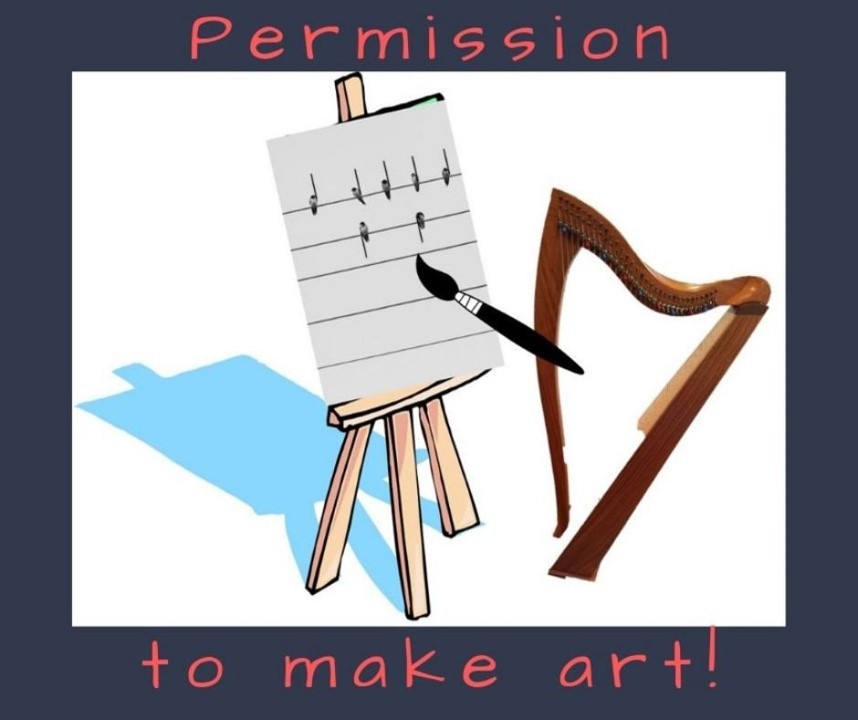
    9. Permission to make art in multiple ways. This can be as small as playing a new kind of music or as big as learning to sculpt or paint or write. All your art will work to help you in the others.
    10. Permission to create “first drafts” (and second and third and on and on as needed). You know that what you see on stage or on YouTube is not spontaneous, right? So why do you expect your initial efforts to be performance ready? Think of the pre-work as your “drafts” that you will continue to refine and develop – until they are ready to share.
    11. Permission to have fun. Ok, this is pretty self-explanatory!
    12. Permission to laugh at yourself. No really, you should be able to laugh at yourself. Keep it light – it’s not rocket surgery after all.
    13. Permission to expect more from yourself. You don’t have to be content with your lot – you can want more (as long as you’re willing to work for it).
    14. Permission to be good at some things, not good at some others, and even to be terrible at a few. Here’s an example – I’m good at playing the harp, I’m not as good at cooking and I’m terrible at gardening. I’m ok with that – I allocate my time and resources accordingly (e.g., I practice for hours, I heat soup for dinner, and I pay a kid in the neighborhood to tend the garden – that’s that sorted!).
    15. Permission to practice as much as you need – and no more. I know some of you struggle to get your butt on the bench, but others spend too much time there – practice while it’s productive, and then go do something else. Got a deadline? Try a little practice multiple times in the day.
    16. Permission to be happy with where you are. This might seem counterintuitive (or counter to development) but it’s not – you are where you are. Be there. Right then. Realize too that time is a river – there is only constant change and you are changing when you are where you are – give yourself permission to accept that.
    17. Permission to want more. You think I’m contradicting myself – but remember I said there is constant change – if you want more, want it – and work for it!
    18. Permission to change your mind. Playing classical music and tired of it? Trapped in session tunes but longing for something more “substantial”? OK. It’s ok to change your mind about what you want to play. Just do it.
    19. Permission to keep track of what you are doing…and what you want to do next. However, you need to – keep track in your own way and build on that.
    20. Permission to spend your valuable time doing what you love. After all, time may be your most precious commodity – so spend the time you have doing what you love.

    There are plenty of permissions to give yourself. What other ones do you give yourself (or do you need to give yourself)? Share that in the comments!

  • Is it getting warm in here?

    Yes, it’s now spring. And yes, temperatures are going up – it’s starting to get warm. The question is – are you?

    Every morning, when I head out for a walk or run, I start slow. Work out the kinks. Settle into my body.  Paying attention to my body. Feeling my feet hit the ground and roll up again.

    Do you take the time to warm up when you play? No matter if you’re practicing for 15 minutes or preparing for a 3 hour background gig, you should should take a little time to warm up. Why?

    Really?

    Oh yes – you need to warm up! One of my favorite sayings is that musicians are the athletes of the small muscles. This is central, not only because it equates us with athletes – who are more far more respected in modern society – but also because it focuses on the corporal elements of making music, rather than on how “pretty” our music is!

    While we may not spend hours in the gym (not that getting additional exercise would be bad), you can still keep in mind that you’re about to do physical work. Caring for those muscles will allow you to do more.

    Why is warming up so important? Well, for at least four reasons:

    • Gently moving lets those muscles gradually make ready to work. While significantly experienced humans (read: older) probably appreciate this, it is important begin to warm up long before you even actually feel the need to do it. And if you are a growing human (read: not yet out of adolescence) you have the opportunity to build the habit long before you need it.
    • Warming up is work – it’s “pre-work” so it is a legitimate part of your practicing time.
    • Warming up is actually about warming up – you want to warm up those hands that they will be more limber and flexible.
    • Warming up is a great time to check in on yourself – to really focus on how you feel and if you are ready to play.

    But, you don’t just warmup for the fun of warming up! Doing some warmups will allow you achieve flexibility to play better. Warmer hands will result in better technique because your hands will be better able to move – keeping your thumbs up maybe? will be easier if your hands are limbered up. Loads of crossovers for scales? certainly easier if your whole hand is warmed up and working together. And of course, it’s not just your hands – you should warm up your arms and shoulders at a minimum.

    What should you do to warmup? Here are a couple of ideas:

    • Wash your hands in warm water with nice soap – be luxuriant. Massage your hands while you’re at it.
    • Simple stretching. Stretch. Go slowly. Raise your arms overhead and reach for the ceiling. Stretch through your fingers. Wiggle your fingers. It’s not a race and it should be like when you wake up. Don’t overstretch.
    • Palm taps – you probably learned this in your first lesson. Tap your palm with each of your fingers to mimic closing.
    • Shoulder rolls – this is an iconic stretch – do rolls both forward and back.

    Then move to your harp and begin there – you already know this but remember – you’re warming up, so go slowly! There are loads of warmups but here are a couple of easy ideas for use at the harp:

    • Scales. No, not the “how quickly can I get these over with” scales – slow, careful, accurate, gentle, fully closing. Check your posture. Go up and down all of the harp. Yup. All of the way up and all the way down. A few times – remember you’re warming up.
    • After that, it’s up to you.  You want your warm up to reflect what you’re going to be doing. So, that means you could make part of what you’ll be working on into a warmup! Take it slowly – you’re warming up, so maybe the rhythm doesn’t matter as much as the placement certainly does.

    Remember this is warming up – not exercises. Yes, you can do the same stuff, but the focus is different. Warmup scales are slower and quieter, while exercise scales may be focused on intonation, speed, articulation, or something else.

    When you’re warmed up, you’re ready to play or practice and to get more from it. It only takes a moment and the benefits will become readily apparent. Do you warm up already? If so, what do you do? If you haven’t been, are you going to try any of this? Let me know in the comments what’s working for you (or what totally doesn’t!).

    PS – per request of a reader, I have increased the text size – please leave a comment and let me know what you think.  Thanks!

  • Planner vs Journal: What do you need?

    You have endured my repeated suggestions that you keep a harp practice journal. I hope you have taken me up on my suggestion and that, in so doing, you have begun to understand why I make the suggestion. I also hope you saw, in short order, how the act of journaling can help you become a better harper. Simply by entering the conversation with yourself, you are able to capture your thoughts, feelings, successes, plans/goals and good ideas. And with review (or just idly flipping through) you can get an appreciation of all your hard work (and maybe a glimpse of the work you would be well advised to undertake – later…in the future….let’s not get too crazy!).

    Recently, one of you asked about using a practice planner as a journal. Well, a planner is different from a journal, so today, some thoughts on each and an insight into how I (try) to use these with my students.

    Planners and Journals serve two different functions. A Planner is forward looking, capturing what you should be working on, and how to schedule it all into your practice time (by the hour, the day, the week, the month, the season, the year, etc.). It describes what your teacher (or you, if you are actively using it) would like you to work on so that you continue to grow and so that you build the skills needed for the repertoire you will attempt in the future. It helps to organize your time spent and usually includes short term goals (which are actually criteria that, when reached, indicate readiness to move forward).

    A Journal, on the other hand, is, by definition, a retrospective of your work – mental, physical, emotional, and more. It can incorporate external factors (e.g. “I didn’t practice all week because I was on a cruise, but when I returned, I was delighted to be behind the harp once again and I quickly conquered my new tune that I was having trouble with before” or “I had a terrible week at work and I just didn’t feel like practicing which explains why I haven’t made progress with my tunes this week, but next week should be better!”). You write in your Journal after you practice or play, while reflecting on what happened, why, how you feel about that, and perhaps what you’d like to add to your planner (to avoid a negative or to reinforce something you see needs shoring up). And of course, you will, on occasion, go back and read through your thoughts and feelings to rediscover items that have fallen through your mental cracks.

    A practice planner should be very clear and detailed – a set of instructions for the week. What (specifically) should you be focused on? At what point, then, do you move on for the next time? How many times to do the scales? In which key? What are your warm-ups this week? What skill builders will you do? What musicality exercises will you work on? How do you know when to stop? How good is good enough? What is expected of you in the practice time allotted?

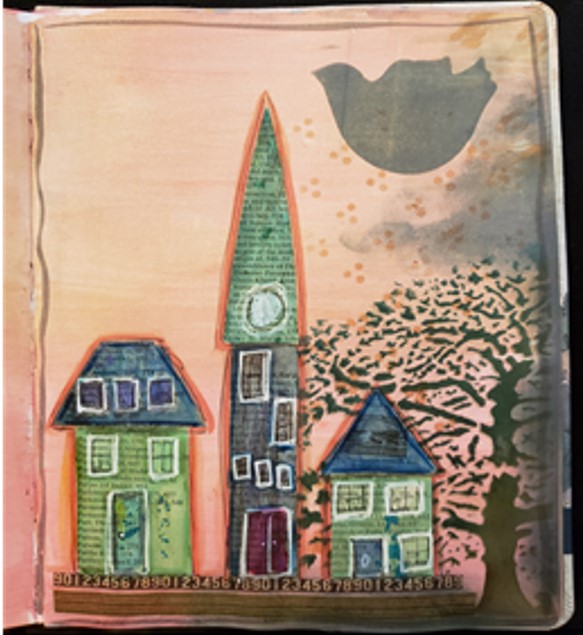
    A journal allows you to express your assessment of your practice time and your ideas on your progress (NB – this is NOT a platform for your inner critic! Rather you are capturing your opinion in a constructive way, so you can grow from it). You might include thoughts like “although I thought I’d never “get” those funky chord exercise note progressions, with three days of focused attention, I do “get” it and can now focus on the technique work that the exercise is needed for”. A little work, a little assessment, a little reflection, a lot of growth!  You are also not limited in how you might capture those thoughts, reflections, and feelings – write, jot, paint, whatever will help you remember later on.

    So, which should you have? A Planner or a Journal?

    You need the Planner and the Journal! The real question is – in what form? The right answer is – in the form that works for you!

    You can use simple planner sheet (want a free one? Subscribe here!) and a journal book. Then you have two things to work together to suggest your practice time. You want (and need) order and structure for the planner, so that the homework notes from your lesson help you to structure your practice time and to prepare for your next lesson.  But you also need and want the freedom to capture your thoughts as they come and as they are best expressed.  If you’re lazy like me, you want to have it all in one place. I prefer this for my students because it also provides a continuity to our discussion from lesson to lesson – one place for all thoughts.

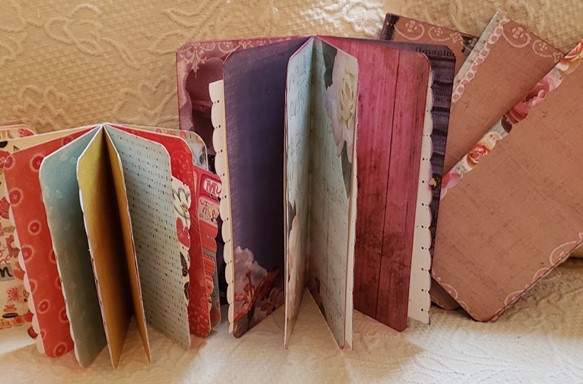
    Are you already journaling?  Using a practice planner? What’s your method?  And if you’re not, what’s stopping you? Journals and Practice Planners can help you grow and focus your work while reminding you that you love to play! No matter what form it takes, there is a lot of potential in writing it down. You can do this yourself – just get a notebook and start writing. But if you’d like a bespoke one, I can help you with that too – just leave a request in the comments and I’ll get back to you with details.

  • First Day of Spring – Get outside!

    No matter where you live, the first day of Spring can be a wonderful day. The farther you are from the equator (and whether you have Spring in March or September), Spring portends change and newness. Although I grew up near enough to the equator that Spring is just another day on the calendar, I now live where Spring occurs very palpably. And although it is my least favorite season, I still very much look forward to it’s arrival.

    Here we are slowly transitioning from winter, and just now we are enjoying a faux May day. Of course, we’re not quite there yet and we will be returning to our regularly scheduled March in just a few hours. But for the moment, it is Spring. And it’s a perfect day to take get harp outside…and play!

    There are all kinds of reasons to take the opportunity to do it right now!

    • The fresh air will do you good. There’s a reason “Spring Cleaning” is a thing. We have been cooped up in furnace air for months, so a little fresh air will be a welcome change (and you also want to enjoy it before A/C season shuts you up again).
    • The sunlight will do you good. This is a perfect time – bright clear days while the sun angle is changing – it’s not beating down on you or your harp.  No sweating on the soundboard.  No worrying that the glue might be in jeopardy.  Research keeps showing the importance of getting some sun – to collect Vitamin D precursors, to stave off the winter blahs, and to put the finishing touches on your adaptation to the time change.  Playing your harp will only enhance all that.
    • The warmth will do you good. Some research suggests that you will feel better with just 15 minutes of contact with the earth each day. When it’s Spring, it is warm enough to take your shoes and socks off and keep your feet on the ground. No matter how it operates, taking 15 minutes to stand still (or sit still) will do you good.
    • Being present will do you good. Sometimes when we take our harps outside, we are worried – will the harp be stable? will other people hear me? does anyone see me? We might feel exposed with our bare arms and our bare harp. But that’s not the point. Instead – be present. Enjoy the feel of the wood, the strings, the air, the sun, the deck/park/garden/yard in which you are sitting, the breeze, the sound. Be present and remind yourself how much you enjoy the feeling of playing – no matter how experienced you are (or aren’t).

    Spring is a great time to remind yourself to be thoughtful. After the bundled up, flurry and flutter of the holidays and the start of the new year – take a breath. Be here. Now. Enjoy your harp.

    Go play now. Spring is fleeting. Soon it will be Summer, with its hustle and bustle and A/C and harp events! Ok. Gotta go – the deck is calling me, the trees are beckoning, the birds are off key so they need help. Where will you play? Let me know in the comments below!

  • We’re all made of Stories – The Comparison Trap

    We humans observe…and then compare. We are always collecting data about the world around us,  analyzing it, and then selecting a winner.  We have a classification scheme for winners and not winners – so we see where we rank in there.

    This comparison trap is insidious in two ways. It assumes that you are an unbiased (and knowledgeable) arbiter of truth and it rarely takes context into account.

    And typically, when we make comparisons, we find ourselves wanting.

    Finding yourself wanting is not motivating.

    Are you a “Fair Witness” *?  Are you certain that you are qualified to critique the performance of others relative to your own? And can you say, perhaps with more certainty, that you are qualified to evaluate your own performance – clear eyed and unbiased? Are you a Fair Witness to yourself that you can only report the truth with no trace of bias? Likely not – you have a vested interest in the outcome, so be honest about your ability to assess.

    I just learned that my sister writes poetry. I learned this while thumbing through an anthology in which she is published! This very clearly highlighted the second point of context. You very rarely have insight into the context of others (even in a close relationship). Even though we are all made of stories – we don’t tell them all to everyone. And there are some we tell no one. In addition, many have no insight into the context of themselves, much less that of others. And even if you know someone, you might not have an accurate view of their context.

    On occasion, you’ll hear someone “praise” another by stating baldly that playing the harp comes easily to (another). I find this both horrifying and irritating.  You might think you should be delighted to receive what might be meant as a compliment.  But because you have worked quite hard to be where you are, and even if you give the illusion that it comes easily, you might rather be annoyed that someone has discounted all that hard work.  When you compare your own playing to someone else’s (or someone compares themselves to you), you never know the entire context – where they are, what is happening, or how your comparison may upset them. By the same token you may not be fully aware of how things affect you and impact your own playing.

    As the trope goes (did you know that “trope” originated as a music term?) Comparison is the thief of joy.  Why do we make comparisons?  Because we’re good at it.  We are quite adept at making pairwise comparisons (choosing a preference between two options). There are entire lines of research built on these comparisons – we’re that good at making them! But in this case, our strength (comparison) is a real weakness – because, you don’t have to pick! Someone else can be good and you are still too!

    In addition, comparing yourself to someone else is more likely to make you feel bad than to make you play better (and you can see how that’s not helpful – the comparison makes you feel bad, so you’re not motivated to practice, so you do not become better (and may lose ground), which makes you not play as well the next time you’re with others and your comparison results in your poorer showing – etc.…you can see how that’s a downward spiral of not very helpful).

    At a recent workshop I overheard a relatively new harper wistfully comment, “I’ll never play as well as (insert significantly experienced, p-r-o-f-e-s-s-i-o-n-a-l harp player here).” ** Well, DUH! Of course you don’t!  You’ve been playing the harp for 10 minutes and they’ve played for 20/30/40 years. You dabble, fit it in, get to it when you can, as a hobby. That person is a pro – it’s their job! And they are seasoned, they work at it – you know, for hours – every day. And they are absorbed in multiple aspects of being a musician, not just the practicing for 20 minutes when they can!

    Of course you don’t play at the same level! When I overhear this, I am always tempted to ask, “Do you w-a-n-t to play at that level? Or do you just wish you played at that level?” Big difference! (of course, the start of the difference is – you know what I’m going to say – practice!)

    Do you say to every Dentist or Auto Mechanic you meet, “oh, I wish I pulled teeth or rebuilt transmissions as well as you”? Bah! No, you don’t, so why do you do that with harpers? (and if you do, stop, you’re creeping people out!).

    But how can you escape the Trap and emerge solid in your own story (and possibly helping other people grow fully into their own stories)?

    Be honest – and clear – about where you are and where the other person is (and the path from here to there). And be frank about your willingness to take that same path (or not)!

    Be content, but not complacent – You are where you have gotten. You are not your harp hero. But you might be someone else’s (did you ever think about that?). So kindly and gently encourage yourself to continue to work and grow. You already know that it is work to continue – but it’s fun work! And there’s no deadline, so just keep at it.

    Be analytical (but only part of the time) – note how much you have grown as a harp player. No, really note – be aware. At one point you hadn’t even touched a harp – and look at you now! One of the reasons I’m always exhorting you to keep a journal of your practice is so that you record (and therefore don’t forget and can review) your small, “every day” successes! Because those small accomplishments are what matter.

    Be-YOU-tiful (stolen from a tea towel!) – you are amazing! Be that.  You have strengths and weaknesses – just like everyone else. Celebrate your strengths. Be mindful of your weaknesses. Work on those weaknesses you want to be stronger at, set up systems to support the ones you know need work (but are still working on), and forget the rest. If you have to, turn your picture upside down so the weaknesses are in fine print at the bottom rather than in headlines at the top of your page.

    There is one comparison that does matter – how are you now relative to you previously? Are you growing? Are you becoming the you that you want to be (not wish – but want). Do your thing. Let everyone else worry about being them. Do you have another way of keeping your thief of joy in check? Share that in the comments!


    * If you haven’t read this, you might enjoy it – at your local library or at online
    **I have no problem making this claim since I hear this at nearly every workshop I attend.